Get a £20 sign-up bonus

Get a £20 sign-up bonus
Spend abroad with low fees
Exclusive everyday benefits
Earn interest on savings
For new customers only. T&Cs apply.

Bank and e-money accounts have different overdraft rates and some pay interest on your balance. Use the filters to choose account types and brands, and table headings to sort your results on what matters most to you.
We currently don't have that product, but here are others to consider:
How we picked theseTo make comparing even easier we came up with the Finder Score. Fees, features and customer service across 20+ of the most popular banks are all weighted and scaled to produce a score out of 10. The higher the score the better the account – simple.
Read the full methodologyA current account is a bank account that gives you instant access to your money and that you can use for your day-to-day financial life. It lets you receive your salary, pay your bills, make purchases, and send and receive payments; many accounts offer all this for free. You’ll get an account number, a sort code, a debit card and usually an internet banking service, mobile app or both. Typically, you won’t get a great interest rate on money you’ve deposited in a current account, but most offer an overdraft (which will cost you in interest charges).
While accounts’ basic functions are similar, there are some key differences when it comes to interest rates, customer service, online and app features and, of course, switching incentives like free money. One major difference is that some accounts are protected by the Financial Services Compensation Scheme (FSCS), and some aren’t. The FSCS protects deposits up to £120,000 in your account if you bank goes bust.
Funding requirement. Some accounts require you to pay in a certain amount regularly – for example, every month – to qualify for perks, or even to be eligible for the account. It’s a way of ensuring you pay in your salary.
AER. Annual equivalent rate. This is a way of showing the interest you’d earn in a year on money you deposited into an account, and helps you to compare accounts.
EAR. Equivalent annual rate. This is the interest rate that applies when you borrow money – when you use your arranged overdraft, for example. It shows the interest you would be charged over a year if your account were to remain overdrawn.
Arranged overdraft. If your account goes into the red, the bank will charge you a set EAR. Before you go overdrawn, you need to arrange this facility with your bank.
The best current account for a school leaver in their first job may not the best one for a frequent traveller with complex financial needs, so you’ll have to figure out which banking features are the most important to you.
Here’s our checklist for how to find the right current account for you.
If you’ve had your current account for years, the idea of switching may sound daunting – many people stick with bad deals just to avoid the hassle. However, the process is in truth quite simple thanks to the Current Account Switch Service (CASS).
Any banks signed up to CASS will switch over your account for you in 7 working days. You don’t need to do anything, except pick out your new current account and decide on a switch date. Here’s how it works:
Depending on what your new bank is offering at the time, switching through CASS may also allow you to access switching bonuses and rewards. Most current account switches are done online but there are still a few banks that aren’t part of CASS, like Kroo.
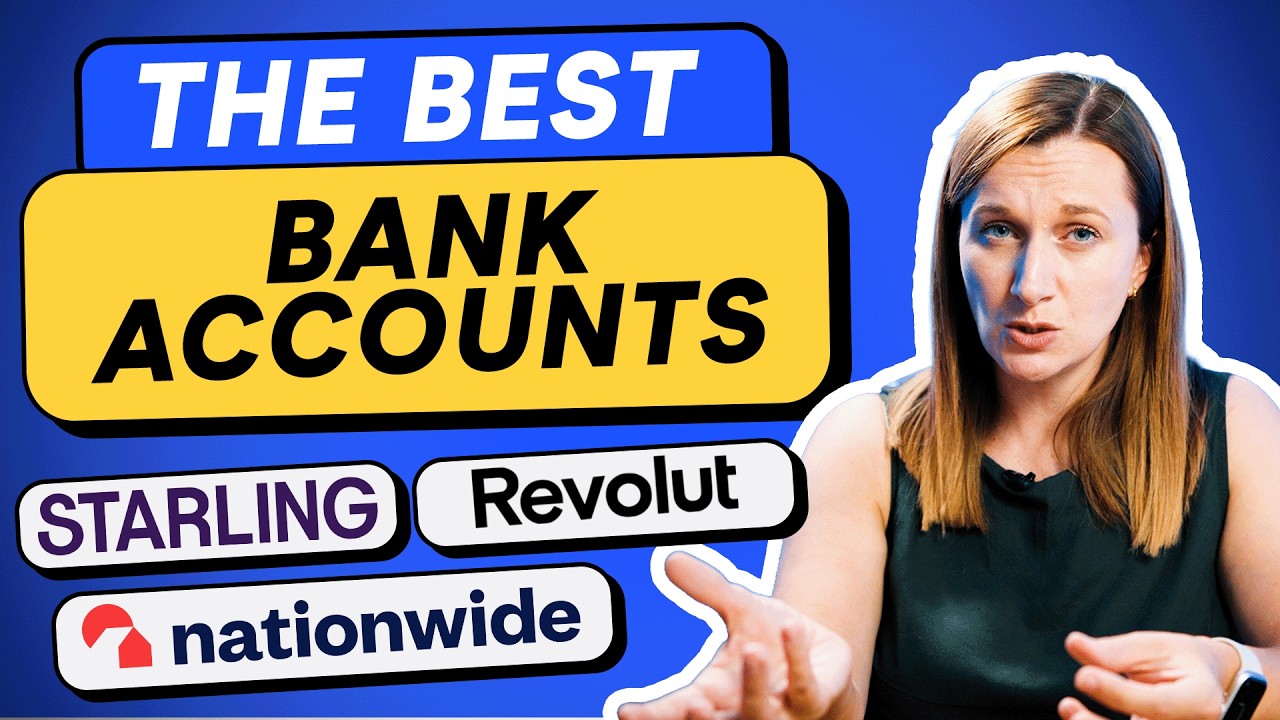
Digital banks and banking apps like Monzo, Starling. or Revolut have stolen the headlines in fintech for the last few years. In the Finder office we’re big fans – here’s why:
Apart from standard current accounts that prioritise one feature or another, there are also dedicated types of current accounts to suit other specific needs:
When picking a new current account, check all the potential costs. Here are some of the fees you may come across:
We asked the customers of banking apps and current accounts providers featured in this table whether they’d recommend it to a friend and we’ve ordered the table by the percentage score. Our independent survey was carried out in Feburary 2026. Learn more about how we conducted our research.
| Bank | Customers who’d recommend | Details |
|---|---|---|
| first direct | 97% | Renowned for its 24/7 human customer support, first direct is a highly reliable provider. Users praise the helpful staff and efficient online banking experience. |
| Starling | 97% | Starling is consistently praised for its brilliant app and 24/7 customer support. Customers especially value the lack of fees for using the account abroad. |
| Revolut | 97% | Revolut is valued for its innovative app and ease of sending money worldwide. Users find it specifically useful for travel and daily transactions. |
| Chase | 97% | The user-friendly app and popular cashback offers make Chase a top choice. Customers find the account smooth to operate and very easy to set up. |
| NatWest | 95% | NatWest provides a secure banking experience with efficient, helpful staff. Many customers highlight the brand’s rewarding loyalty schemes and simple app. |
| HSBC | 94% | A safe and stable banking environment is what HSBC customers value most. Reviewers frequently mention the helpful staff and the bank’s transparent approach. |
| Monzo | 93% | Monzo is a popular choice for its innovative app features and helpful money tools. Users value the brilliant customer service and ease of use abroad. |
| iFAST Global Bank | 93% | Often described as an efficient and trustworthy brand, iFAST Global Bank is valued by customers, who find the service reliable and appreciate the rewarding offers. |
| Lloyds Bank | 93% | Lloyds Bank is a trusted provider known for high-quality customer service. Reviewers often highlight the seamless mobile app and the overall reliability of the brand. |
| Barclays | 92% | Praised for its excellent mobile app, Barclays is a reliable choice for managing bills. Users value the brand’s long-standing reputation and friendly customer support. |
| Nationwide | 91% | Nationwide is highly regarded for being a reliable and trustworthy building society. Customers value the secure app, helpful staff, and fair treatment of members. |
| TSB | 90% | TSB is a reliable provider noted for its great digital offerings and strong communication. Users find the app easy to manage without needing external support. |
| Royal Bank of Scotland | 90% | Great customer service is a recurring theme for RBS. Consumers also praise the high-quality app interface and efficient account management. |
| Santander | 90% | Santander is described as a reliable bank with strong security features. Customers appreciate the helpful service and the straightforward nature of the mobile app. |
| Metro Bank | 87% | Polite and respectful customer service defines the Metro Bank experience. Users also appreciate the straightforward, intuitive app and helpful, transparent communication. |
| Biscuit by Zopa | 87% | Biscuit by Zopa offers a simple and versatile digital experience. Reviewers frequently highlight the excellent customer service and ease of managing accounts online. |
| Kroo | 87% | Kroo earns praise for its easy-to-use interface and helpful customer support. Many users value the clear notifications and beneficial money management tools. |
| Halifax | 86% | Halifax is valued for its user-friendly mobile app and helpful staff. Many customers appreciate the helpful notifications and the overall ease of use. |
| Bank of Scotland | 80% | A trusted brand with an easy-to-use app, Bank of Scotland is well-regarded. Customers appreciate the quick service and the reliability of their online platform. |
| Virgin Money | 77% | Virgin Money earns praise for its helpful staff and easy-to-use mobile app. Reviewers value the brand’s rewarding features and straightforward approach to banking. |
| The Co-operative Bank | 77% | The Co-operative Bank stands out for its strong ethical values and friendly staff. Customers find the service reliable and appreciate the community-focused approach. |
| Monese | 77% | An easy-to-navigate app experience makes Monese a reliable choice. Customers frequently mention it as a convenient option for daily banking and travel. |
Current accounts are an essential tool to manage your daily finances. They provide a means to receive your salary and benefits, and enable you to make payments, pay your bills and build your credit history.
There is no one size fits all when it comes to getting a current account, so be sure to do your research to find an account that best suits your circumstances.
When comparing accounts to find the best option for you, there are a variety of factors to consider, including overdraft terms, online banking facilities and customer service quality.
Some accounts, including packaged bank accounts that offer perks like insurance, come with monthly fees, so it’s a good idea to factor in these charges when making a decision.
All the content may be republished with a link to this page
Press enquiries

Is the Monzo Max account worth applying for?
Use our guide to compare the best banks in the UK and find out how to choose the right bank account for your needs.
If you regularly use airport lounges, a bank account that includes airport lounge access could be worth considering.
Are Monzo Perks, Monzo Max and Monzo Extra worth the money? See our analysis in this video review.
New to Monzo? See if you can keep some more money in your pocket with our promo codes and special offers.
Discover more about the benefits of free bank accounts.
Discover whether Kroo’s account and card could work for you.
Is Monzo’s app-only current account the right option for you? Read our review to get the low-down on all of the features of the account, its card and the app.
Learn how current accounts with cashback work, whether they’re right for you and how to find the best current account.
Compare and apply for a bank account with a linked Visa or MasterCard debit card in 10 minutes. Learn what you need to apply and how to get started.
