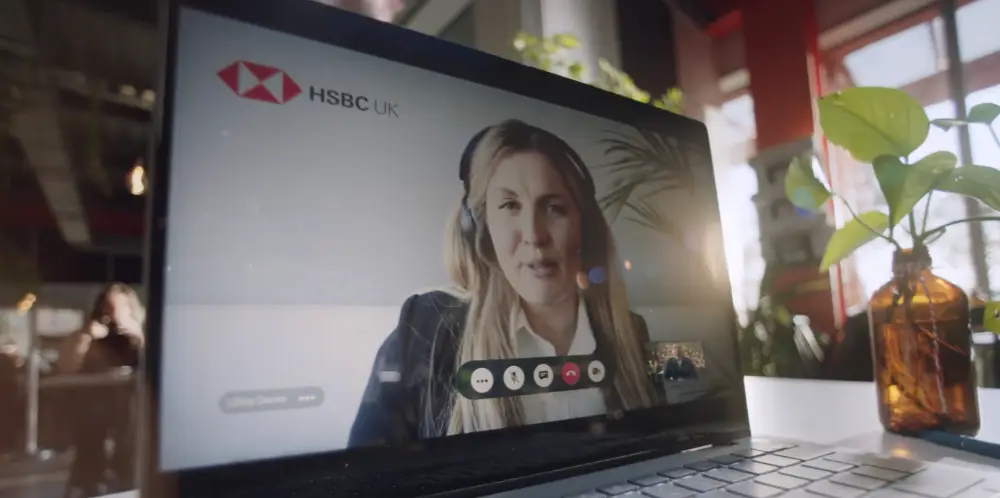
As an owner of a small business, you’ll know you can’t do it all on your own. Getting the right support in place is key, including your business bank account.
Why do I need a separate bank account for my startup?
While starting a business can feel challenging, you want to make sure your finances aren’t. Having a business bank account helps to keep money separate from your personal finances, as well as making things easier when it comes to audit trails and tax returns. You’ll need a business bank accont if you’re a UK limited company registered with Companies House, because a limited company is a separate legal entity and there must be a clear division between the company’s finances and those of the owners and directors.
There’s also a lot of support that can be gained from choosing a bank account that’s designed for a small business. Here are some of the key ways your business bank account can help your startup thrive.
Become more efficient
Efficiency is key when you’re running a small business; the right tools can make a big difference. Business bank accounts designed for small businesses, like the HSBC Small Business Banking Account, help to provide value and support to drive efficiency in many ways:
Supportive pricing. Keeping costs low is a big factor when running a small business. Look for a bank account with no monthly account fee and free UK digital banking*.
Convenient access. Being able to use both digital and branch services helps your business run smoothly. If a problem occurs, you’ll know you can get support virtually or in-person.
Accounting software. Embedded or integrated accounting software will reduce the amount of time you’ll need to spend on bookkeeping and will help you to keep an eye on your cash flow. You can either integrate your existing accounting software with your bank account, or you can opt for accounting tools embedded directly into your account, like HSBC UK’s My Business Finances.
Build history and a credit profile
Your business bank account can act as a “CV” for your startup. It helps build a track record that lenders may look at when assessing your business’s cashflow and reliability. Here are some ways opening a small business banking account can boost your credit profile:
Establish stability. In the world of credit, longevity equals stability. So find a business bank account that suits your needs and start to build that all-important credit history.
Maintain a “healthy” average daily balance. Having a business bank account that allows you to keep an eye on your cash flow means that you can keep a “healthy” bank balance, which lenders like to see. Established banks like HSBC UK give you a variety of ways to keep on top of your finances with business-specific mobile banking apps, telephone banking and internet banking.
Demonstrate credibility and professionalism
A key benefit to opening a small business account as a startup is that it instantly signals credibility – that your startup means business. Here’s how:
Branding. You can build vendor trust and credibility by having a business bank account. Customers pay your business entity rather than your personal name, emphasising the fact you’re running an established business.
Liability protection. Keeping your startup’s money in a separate business bank account shields your personal money from business lawsuits or debts.
Access expertise
When you’re just starting out, learning from those who have been there and done that can make a big difference. The right business bank account goes beyond just keeping hold of your money; it helps to support your business goals.
Training courses. Technology and tools move fast, so having a business bank account which offers you training will help you to grow. For example, HSBC runs a Small Business Growth Programme which includes bite-sized training courses on subjects like understanding AI, all the way through to perfecting your marketing.
Connections and networking. Having access to people and support tools to help your business grow is key. For example, the HSBC Small Business Banking Account offers free access to a network of business specialists, virtually or in-person, who could help you achieve your business goals.
The bottom line
To fuel your startup’s growth, you need a bank that fits your workflow. You might prefer the seamless, app-first experience of Revolut or Starling, or more traditional institutions like HSBC UK or Barclays, which provides a blend of expert guidance, physical branch access, and digital tools. Whether you opt for digital agility or traditional expertise, make sure your bank is working as hard for your startup as you are.
* It’s worth checking how banks define terms like “free UK digital banking”. HSBC UK says “Free UK digital banking means day to day standard electronic transfers made through Business Internet Banking and the HSBC UK Business Banking app are free. Other charges apply e.g. cheques and CHAPS. See Business Price List for details. Subject to application, eligibility, credit check and T&C.”
Kate Steere is an editor and money expert at Finder, specialising in banking, savings and fintech. She has previously written for The Motley Fool UK and Fitch Solutions, where she covered a wide range of personal finance topics and kept a close eye on market trends. Kate has a Bachelor of Arts in Modern History from the University of East Anglia. When not working, she can usually be found curled up with a good book or heading out for a run.
See full bio
Kate's expertise
Kate
has written
187
Finder guides across topics including:
By switching your business bank account, you may be able to reduce your monthly fees or take advantage of different features like smart bookkeeping tools.
If you use a digital banking app or an online-only prepaid card or savings provider, it’s possible that you’ll be using the services of a company like Wallester.
ANNA’s business account promises to set you free from admin. We look at all its features and fees, to help you decide if your business should sign up for one.
Advertiser disclosure
Finder.com is an independent comparison platform and information service that aims to provide you with the tools you need to make better decisions. While we are independent, the offers that appear on this site are from companies from which Finder receives compensation. We may receive compensation from our partners for placement of their products or services. We may also receive compensation if you click on certain links posted on our site. While compensation arrangements may affect the order, position or placement of product information, it doesn't influence our assessment of those products. Please don't interpret the order in which products appear on our Site as any endorsement or recommendation from us. Finder compares a wide range of products, providers and services but we don't provide information on all available products, providers or services. Please appreciate that there may be other options available to you than the products, providers or services covered by our service.
We update our data regularly, but information can change between updates. Confirm details with the provider you're interested in before making a decision.