A beginner’s guide to cashback: What is it and how does it work?
A beginner’s guide to the accounts offering you money back when you spend.

Cashback is a perk where a bank, provider or retailer will pay you back a percentage of what you spend, so long as you meet their conditions. It can be a great way to get a cash boost without really thinking about it. I run through what it is, how it works and how you can make the most of it!
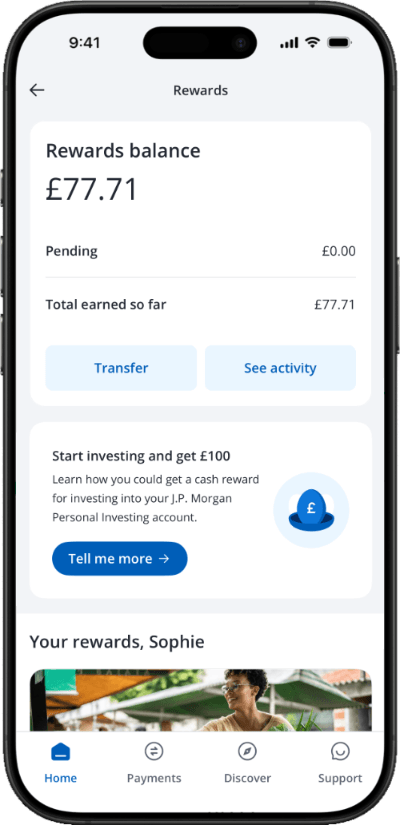
A bank or platform will usually return a percentage of the amount you spend in the form of cashback as a reward for keeping the account or using the service. This is typically from 0.5% up to 2%, though this can be higher if it’s with selected retailers or if there’s a strict monthly cap in place. It’s usually with one of the following:
There are typically two approaches to calculating current account cashback:
This is where you get cashback on things you typically spend money on anyway in your day-to-day life. Chase is the strongest example of everyday cashback currently on the market, offering 2% cashback. I have this account myself and find it easy to use as it just runs in the background while I live my life, earning me some extra cash when I hop on the tube or head to Sainsbury’s for the weekly shop.
The Chase cashback is available on eligible transport (including National Rail, TfL, fuel and electric charging points), groceries and eating out – your usual daily activities – and you can earn a maximum of £20 a month. Nationwide also offers £5 cashback a month on debit card spending (alongside its £5 cashback on a Direct Debit spend of £300+), but it’s only for the first 12 months and you need to spend £500+ to qualify.

"I’ve had my current account with Chase for a couple of years, and I’m absolutely loving the 2% cashback. It’s my default on Google Pay so that I make sure I get cashback when travelling on the tube and doing the weekly shop. I also spend a lot on train tickets, even with my railcard, so the cashback on transport really does add up! I’ve made about £300 – the perfect “fun fund” for when I want to make plans with friends."
Some current accounts offer cashback on Direct Debits and bills instead of everyday spending. For example, the Santander Edge account pays 1% on select household bills, though this is capped at £10 a month and a £3 a month account fee applies. Zopa also offers 3% cashback on bills – which sounds like a great headline rate, but is capped so you can only earn a maximum of £4.50 a month.
Other current accounts offer cashback at selected retailers rather than on a particular type of spending. Monzo, for example, runs a selection of cashback offers from brands it partners with. However, this does run the risk of cashback offers you just won’t use because you don’t regularly shop with those retailers.
I have a Monzo account and I occasionally score some great cashback deals, with cashback up to 10% in some cases. However, I often forget to look for and activate these cashback deals, which aren’t applied automatically. The brands don’t always align with my spending either – for example, I probably won’t use the 10% on MyProtein or 10% on FatFace offered this month.
Several current accounts offer cashback rewards in various forms, so it’s always worth checking. Below are some popular accounts.
| Account | Cashback type | Cashback rate | Monthly cap | Monthly fee | Conditions |
|---|---|---|---|---|---|
| Chase | Everyday spending | 2% on eligible debit card spending | £20 | £0 | 15+ payments/month (debit card, credit card or via Direct Debit); £1,000+ held in a Chase saver account |
| Nationwide (FlexDirect) | Fixed monthly reward | £5 for £500+ debit card spend, plus £5 for £300+ Direct Debit spend (first 12 months only) | £10 | £0 | £1,500+ monthly pay-in; can’t have held a FlexDirect in past 3 years |
| Santander Edge | Household bills | 1% on selected household bills (Direct Debit) | £10 | £3 | £500+ monthly pay-in; 2 active Direct Debits |
| NatWest Reward | Fixed monthly reward + selected retailers | £4/month for 2+ Direct Debits of £2 or more, plus rotating offers at partner retailers | £4 fixed reward (partner offers vary) | £2 | £1,250+ monthly pay-in |
| Monzo (free) | Selected retailers | 2%–10% from various retailers (e.g. Disney+, Lego, LNER) | Retailer-specific | £0 | Tap offers to activate them |
| Zopa (Biscuit) | Household bills or selected spending (choose one) | 3% on Direct Debits, or 3% on eating out (restaurants/takeaways/bakeries) | £150 of spend (£4.50/month, up to £54/year) | £0 | Pick one benefit at a time; can switch later |
Taking the Chase 2% cashback on everyday spending as an example, here’s how that might look for someone spending a total of £670 a month on their food shop, travel and eating out, who could earn around £160 in a year.
| Spending category | Monthly spend | Cashback earned (2%) | Cashback earned (yearly) |
|---|---|---|---|
| Food shopping | £400 | £8.00 | £96.00 |
| Fuel | £150 | £3.00 | £36.00 |
| Meals out and takeaways | £120 | £2.40 | £28.80 |
| Total | £670 | £13.40 | £160.80 |
Most cashback deals come with conditions, so it’s important to check you meet these to ensure you are actually eligible for cashback that month. Below are some common requirements:
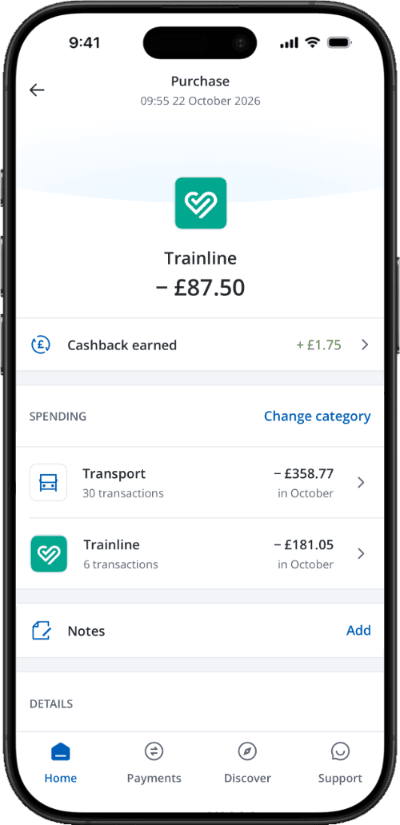
An MCC is a four-digit code assigned to a business by the company processing its payments to identify what kind of products it sells. For example, a supermarket would have a different MCC to a pub or a company that sells train tickets. It’s not set by the retailer and it can’t be changed for you.
In terms of cashback, it’s used to identify whether your spending is eligible. When I tested this with my Chase card, there were some interesting quirks – for example, some clothes I bought at a Marks & Spencer shop that mainly acts as a foodhall qualified for cashback (though this is not typically the case!). It’s generally pretty reliable in identifying your spending though.
A cashback current account is your typical bank account where you earn cashback on purchases made with your own money. It suits most beginners, as there’s little risk involved. A cashback credit card involves you borrowing money, but you can still earn cashback on the purchases you make with it. This will suit people who know they are able to borrow and always repay in full each month.
It doesn’t have to be a choice between the two – you can use both types of accounts to earn cashback.
This depends on the provider. Some banks will pay cashback as soon as the payment clears and has been identified, whereas others pay out monthly or annually. With cashback websites, payout can take several months.
No, consumer cashback on spending is viewed as a discount on what you are spending rather than as earnings. Therefore, HMRC will not treat this as taxable income and you don't need to declare it.
No, the act of earning cashback does not impact your credit score. However, the product you use to get cashback may impact your credit score. For example, if you have a cashback credit card, your score will depend on how you use that product in terms of your balance and how much credit you're using.
Finder writers are subject matter experts and use primary sources, in-depth research and interviews with other experts to ensure you're getting accurate, up-to-date information. Articles are fact checked in line with our editorial guidelines.
Learn how current accounts with cashback work, whether they’re right for you and how to find the best current account.
Compare and apply for a bank account with a linked Visa or MasterCard debit card in 10 minutes. Learn what you need to apply and how to get started.
Looking to open an account with first direct? Here are the current accounts it offers, the benefits of banking with first direct and how to open an account.
RBS offers a series of perks, including cashback on their bills, to its current account customers. We present you with all the options to help you choose the right one for you.
TSB offers a range of current accounts that are especially suitable for consumers who are at the beginning of their financial journey – and some of them even pay an interest on balances.
Are you considering getting a current account with Santander? Here’s what you need to know.
Compare HSBC current accounts, switching incentives, premium accounts and more.
NatWest offers a wide range of current accounts – compare their features and pick the one that suits your needs best.
Direct Debits can be a major drain on your money. We explain how you go about cancelling them.
We guide you through the key differences between direct debits and standing orders, and explain which is better for you.
