Countingup review
Countingup is an app that combines a business current account with accounting software. Is it the right option for your small business?
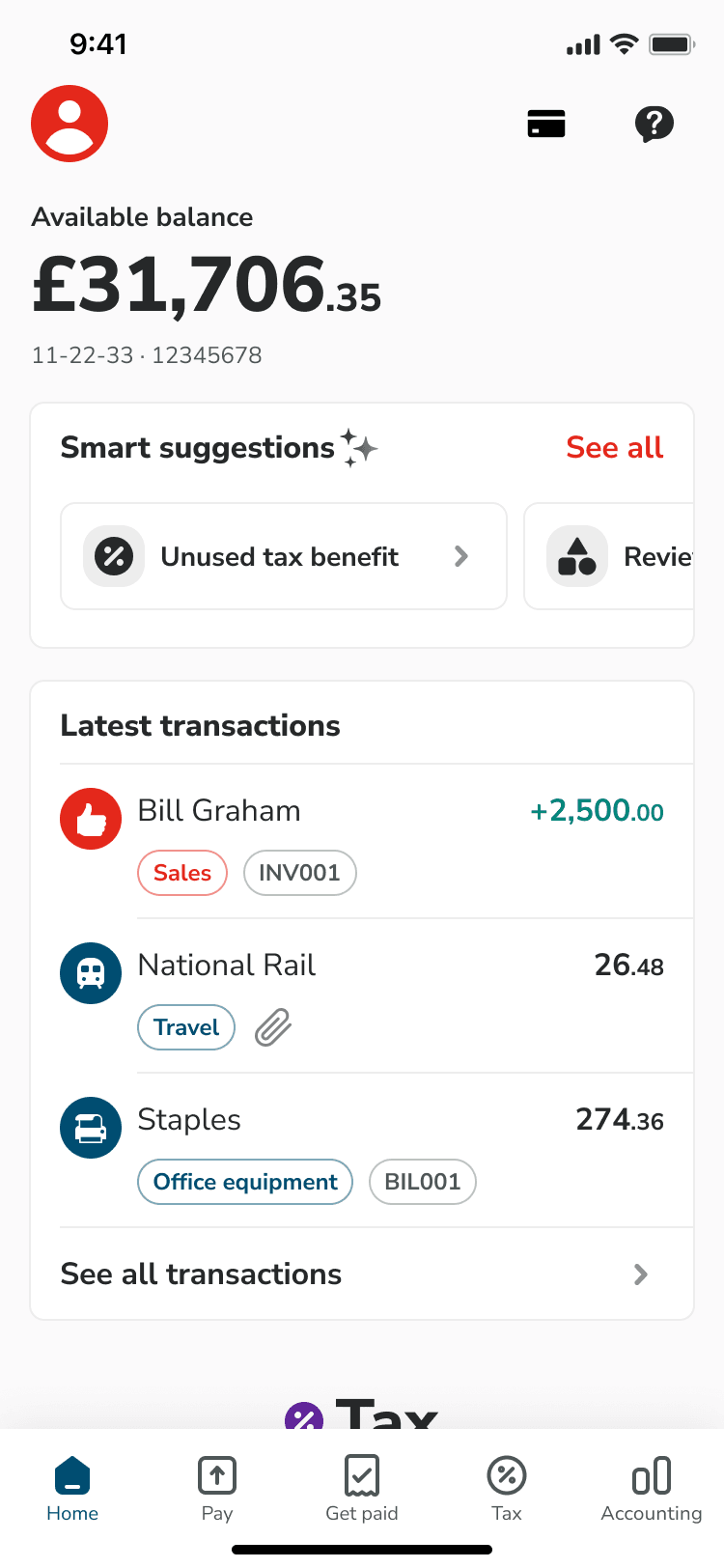
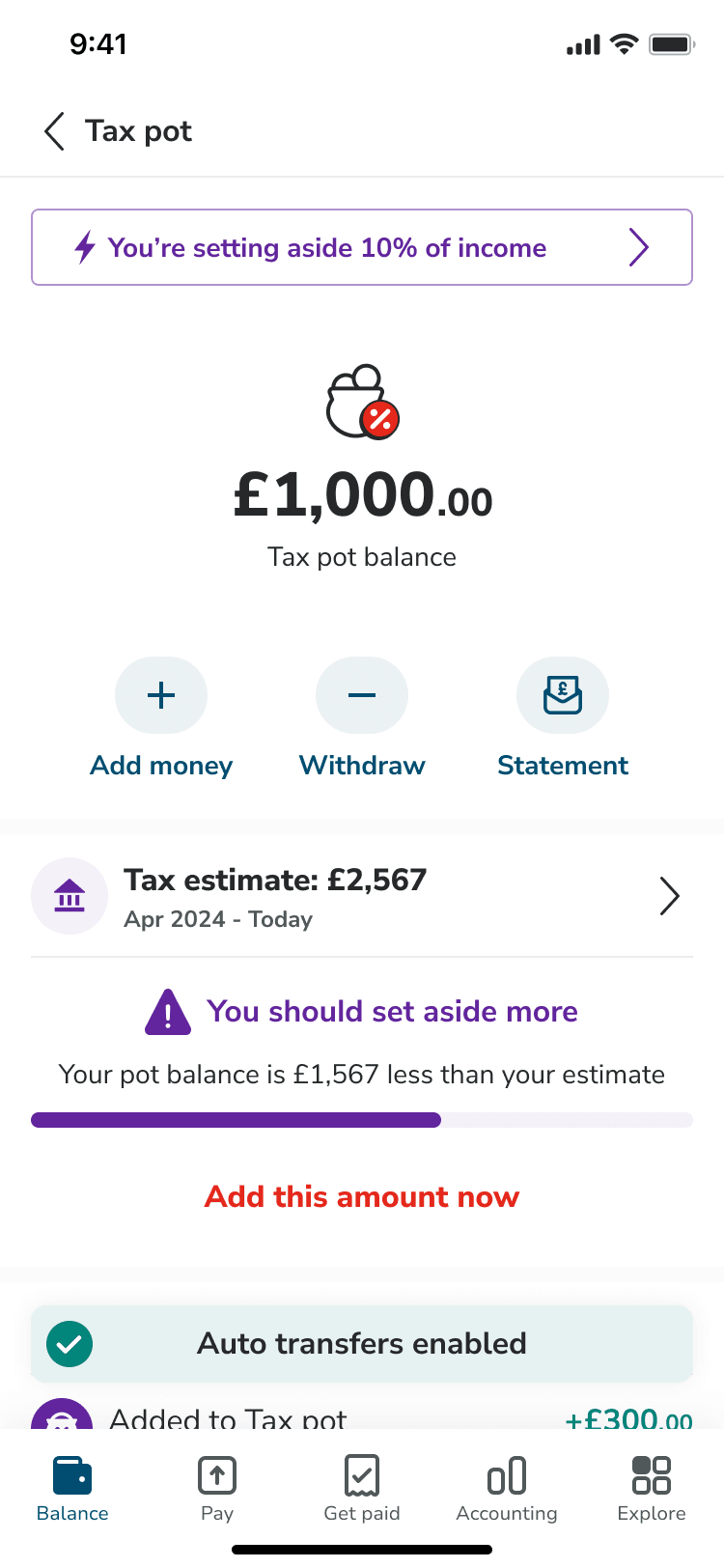
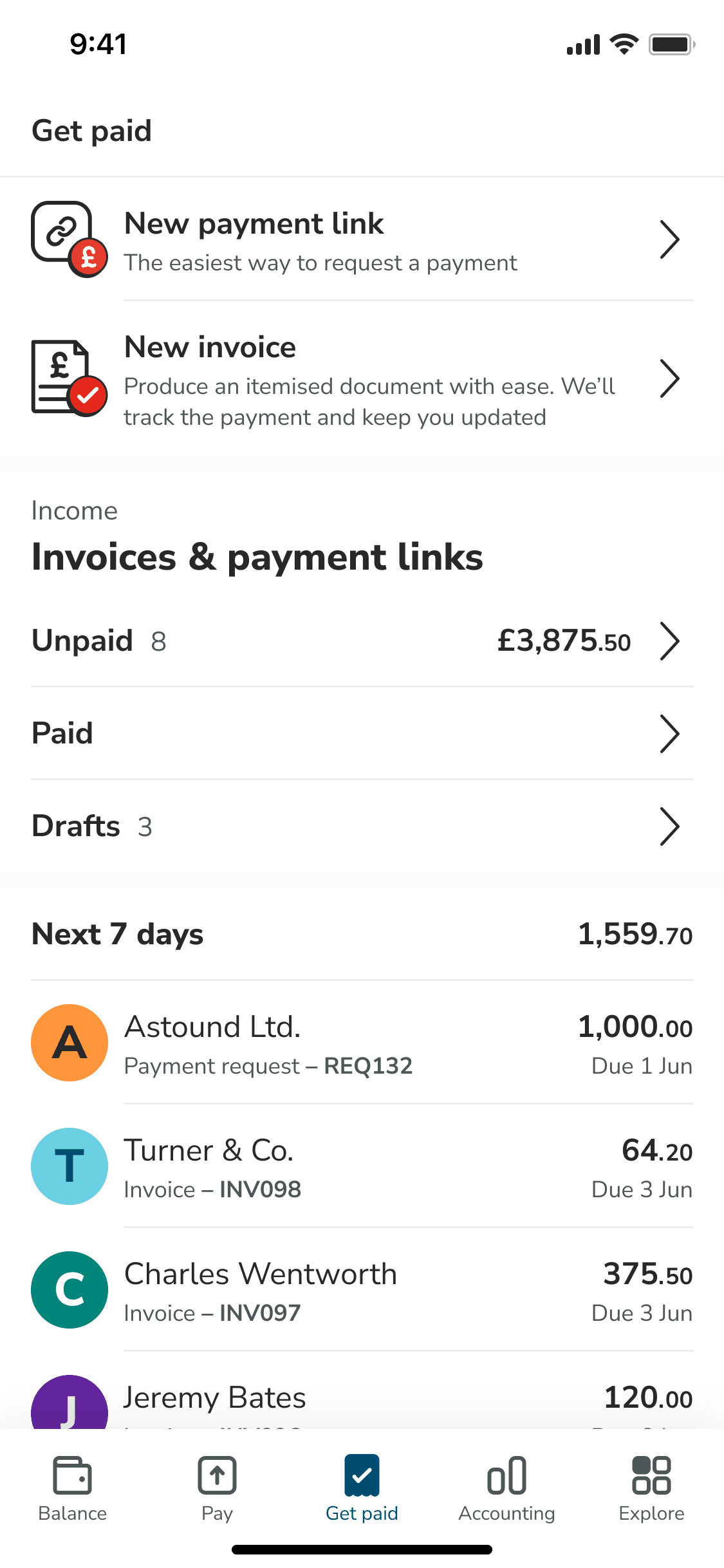
App-based Countingup is a business current account with built-in accounting software. It’s designed to let small business customers pay their bills, issue invoices and do their accounting all from the same app.
Having launched in January 2018 for freelancers and sole traders, the business e-money account is now also available for limited companies. Countingup says it reached 8,000 customers during its first year, and that it’s now used by over 50,000 businesses.
Countingup isn’t a bank, but the account is provided through an e-money institution that’s authorised by the Financial Conduct Authority (FCA).
Signing up to Countingup takes a matter of minutes. If you are 18 or over, have a business registered in the UK and are a UK resident, these are the features Countingup offers you:
There are three tiers of monthly membership for a Countingup account:
Those prices are not all-inclusive. All tiers are also charged the same fees for most account services including:
When signing up to Countingup, you get the first three months for free. That means no monthly subscription fees or bank transfer charges, but all the other transaction fees still apply.
Countingup has been created with small and one-person businesses in mind. Its features aren’t tailored for big and complex businesses that employ many people and will be regularly banking tens of thousands of pounds.
Countingup’s main attraction is that it combines accounting with a current account, so you’ll get the most out of the app if you’re planning to use it for both of these things. To enjoy Countingup to its fullest you might be a freelancer or a startup, or a small business that has not established your banking and accounting systems anywhere else yet. Otherwise, you’ll have to be ready for quite a big change in the way you do things, and be prepared to switch over from both your existing business current account and accounting software package.
Countingup isn’t a bank, so your deposits won’t enjoy the standard £120,000 protection that comes from the Financial Services Compensation Scheme.
However, Countingup’s account is an e-money account provided through a company called Prepay Technologies, which is authorised and regulated by the FCA. As an e-money institution, the company must keep your money in a segregated “safeguarding” account – it’s at Barclays, in this case. This means that if the company were to go bankrupt, your deposits couldn’t be used to repay its creditors. However, while there’s no cap on the amount safeguarded this way, you might not get all your money back as administrators are allowed to deduct costs in the event of bankruptcy.
Because Countingup isn’t a bank, your money won’t be protected by the Financial Services Compensation Scheme (FSCS). This means if Countingup went bust you could lose your deposit.”
Discover and compare the fees and features of other business accounts here


73% of customers we surveyed in 2026 would recommend Countingup to a friend.
It's appreciated for its fast, reliable service and exceptionally easy-to-manage platform. Users praise the top-notch customer care and the premium feel of the brand.
However, as a combined business account and accounting app, some users feel the feature set is a bit limited and that the provider could offer significantly more functionality to truly compete with more established business banking platforms.
AI-generated summary from the text of customer reviews on Finder.
| Email support | |
|---|---|
| Telephone support | |
| In-app or live chat | |
| Contact form | |
| Branch support |
Integrated accounting in a business account is obviously a great idea, and one that can save small businesses much time and potentially also quite a lot of money, as they don’t have to pay for separate accounting software. However, if you are a freelancer or run a very small business you may not need the accounting facilities Countingup offers.
Countingup’s features are smart and handy, covering off the basics of what you would expect from both a business current account and accounting software. It’s a slick app but it is not a bank and as such isn’t covered by the Financial Services Compensation Scheme. This is a cause for concern as it means if Countingup went bust you might not get all your money back.
When it comes to pricing, there are both monthly account fees and banking transaction fees involved. Some of Countingup’s digital banking competitors do have cheaper prices for these aspects of a business account.
However, let’s not forget that there aren’t many accounting and banking app combos around yet, so this is a relatively unique service at the moment.
Get started by visiting Countingup’s website and sign up for an account. If you have read this review and decided that Countingup’s account is not for you, you can also compare other business bank accounts.
We explore the pros and cons of opening a business account with Allica Bank.
We examine how online payments company Airwallex works so that you can decide if it’s right for you.
NatWest offers a range of business banking options including current accounts, savings accounts and business insurance, as well as specialised accounts for startups and charities.
The Co-operative Bank offers 5 business accounts options for a range of circumstances.
HSBC offers a range of business banking options, including current and savings accounts, business credit cards and overdrafts.
Lloyds offers a range of business accounts for both startups and established businesses. Compare deals, find the one for you and check how to apply.
Compare all the business accounts offered by Barclays and learn how much it costs and which documents you need to open one.
Considering a Cashplus business account, which you can open without a credit check? We take a closer look at who it is best suited to.
Is Tide’s current account for businesses right for your company? We take a closer look at all of the fees and features of a Tide account.