How to earn cashback on a credit card… while avoiding fees
Your guide to ensuring the cashback outweighs the costs, and you come out on top!

With a cashback credit card, it’s actually very easy to pay more in interest/fees than you earn in cashback. But the good news is you don’t need to take an economics degree to learn how to avoid this situation. Let’s look at how credit card cashback is earned and how to maximise it, then at how fees are incurred and how you can avoid them altogether.
| Example cashback structure | Monthly spend it’s suited to |
|---|---|
| 4% cashback up to £10 per month (capped) | Up to £250 |
| 3% on the first £300 of card spend and 0.25% thereafter (tiered) | £250 to £1,000 |
| 0.5% cashback (uncapped) | Over £1,000 |
| Santander Rewards Credit Card (representative 24.9% APR variable) | Lloyds Ultra Credit Card (representative 18.9% APR variable) | |
|---|---|---|
| Cashback rate | 3% on eligible spending in year one, 0.25% everything else | 1% in year one, 0.25% thereafter |
| Cashback on £500 of groceries | £1.25 | £5 |
| Cashback on £150 of dining out and petrol | £4.50 | £1.50 |
| Cashback on £200 of other spending | £0.50 | £2.00 |
| Total cashback | £6.25 | £8.50 |
If a cashback card offers cashback “on selected transactions” then to estimate what you’d earn, you have to ask yourself what you spend on those categories each month. One option is to look through your banking app at the recent transactions and add up the ones that would have been eligible. Then apply the cashback earn-rate to see what you’d have earned.
Cashback on petrol will naturally be more of a benefit to drivers with a petrol-fueled car.
You can set up automated, recurring monthly payments from your credit card, but they are not technically “Direct Debits”. Some merchants will support recurring credit card payments, some will not. Netflix and Amazon Prime subscriptions can both be paid by credit card.
Depending on the terms of your cashback credit card, recurring monthly payments may still be eligible for cashback.
It means the payments won’t be covered by the Direct Debit Guarantee. This guarantee is a UK protection meaning that if a company gets the direct debit wrong (charges the the wrong amount or takes it on the wrong date), then your bank has to give you a full and immediate refund.
Another benefit of direct debits from current accounts is that when you switch under the Current Account Switch Service, your direct debits get ported across for you. So when you cancel a credit card and get a new one, switching over any recurring payments to the new card is your responsibility.
Here are the main potential costs involved with cashback credit cards, plus how to avoid each.
| Potential charge | How to avoid it |
|---|---|
| Interest | Set up a direct debit to clear the full balance each month. This is the single most important rule for cashback credit card use. You can set a direct debit up during the account-opening process. If you don’t clear your balance in full each month, you’ll almost certainly get charged more in interest than you earn in cashback. |
| Late fees | Set up a direct debit to clear the full balance each month. You can do this during the account-opening process. Never take out a credit card or loan unless you’re confident you’ll comfortably be able to meet all repayments. |
| Annual/monthly account fee | Easy! Choose a credit card with no annual/monthly fee… unless you’re absolutely sure the cashback you’re going to earn will more-than-outweigh the fee. |
| Foreign transaction fees | If you want to earn cashback on spending overseas, consider a cashback card with no foreign transaction fees. Realistically this narrows the pool but there are unicorns out there, like the Lloyds Ultra Credit Card (representative 18.9% APR variable). Alternatively, consider a separate credit or debit card for holiday spending. |
| Additional card fees | If you’re planning to get extra cards so you can earn cashback on, say, your partner’s spending as well, check if there’s a fee for additional cards to be issued. When there is, it’s usually £12. Conversely, some cards actually incentivise getting an additional card – the British Airways American Express Premium Plus (representative 135.7% APR variable), for example, offers 5,000 bonus Avios. |
| Cash withdrawal fees | As a general rule of thumb, don’t withdraw cash using a credit card, or try to get cashback at the till. As well as potentially incurring a cash withdrawal fee, it gets recorded on your credit file, and interest can kick in straightaway on this part of your balance – even if you pay your bill in full each month. |
Cashback can be a nice way to earn a little bit back on what you spend, when done well. But if the card has annual fees or you don’t pay your balance in full, you could end up losing money.
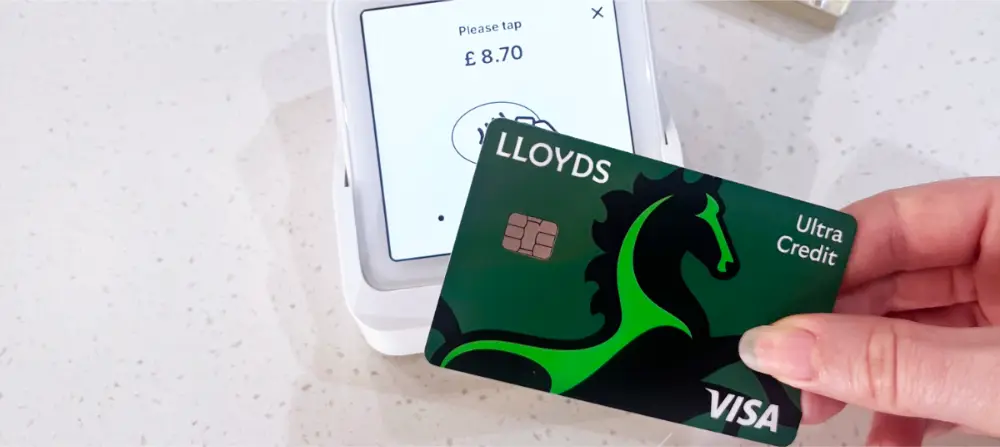
An effective way to earn cashback with a credit card would be to use it for your normal spending habits and pay your balance in full. So if you spend £1,000 a month on a card earning 1% cashback for the first 12 months, such as the Lloyds Ultra Credit Card (representative 18.9% APR variable, 0.25% cashback after year one), you’d net £120 by the end of the year. With no annual or foreign transaction fees, that money is yours.
An ineffective way to use a cashback credit card would be to only pay the minimum balance each month. While you’d still earn cashback, what you earn could be dwarfed by the interest you’re charged, depending on the rate and how long you carry the balance.
Another ineffective strategy would be to apply for a card that comes with an annual fee and then not earn enough in cashback to cover the fee.
The best bet for getting the most out of a cashback credit card is usually to aim for zero overheads. No annual fee, no foreign transaction fees (if you’re planning to use the card abroad), no additional cardholder fees, etc. But most important of all, swerve the interest by setting up a direct debit to clear your full balance each month. Otherwise the card simply won’t be worth it.
Then have fun getting creative with ways to maximise your cashback!
There are some transactions that will never earn cashback – like withdrawing cash or buying foreign currency or spending in a casino.
All other transactions will come down to the terms of the specific card. Some cards only pay cashback for certain categories of spending, based on the "Merchant Category Code" (MCC) – a code attached to every card transaction.
This depends on the specific card. Some cards will limit the amount of cashback you can earn each month or year.
Santander's All in One card (representative 29.8% APR variable) offers 0.5% cashback up to £10 per month, which means that spending past £2,000 doesn't earn you cashback. There's also a monthly account fee.
By contrast, the Lloyds Ultra Credit Card (representative 18.9% APR variable) offers 1% cashback in year one (then 0.25%) and doesn't cap the cashback. This card doesn't charge a monthly/annual account fee.
Cashback is likely to be paid monthly or once a year. This will vary by card, but must be specified before you apply.
Cashback, as the name suggests, is money going back to your account or card. Reward points are points you can earn that can be redeemed for certain things. Lots of people like cashback because £1 is worth £1, while the value of reward points can be hard to pin down because it can vary –
Some people are drawn to credit card points because it feels like you're stockpiling something that you'll be able to treat yourself with later, whereas cashback can just feel like "Oh, I didn't spend quite as much as I thought this month." But ultimately, the cold, hard numbers are what should count!
Potentially not, if it's offset by a high monthly/annual fee or if it's only available for the first few months.
Yes, easily. If you only pay the minimum balance each month, any cashback you earn could be quickly negated by the interest charged. That's why you should clear your balance in full every month. If that's not possible then a cashback credit card is not the right choice.
Yes, if you use a cashback card that charges no fees on foreign spending, such as the Lloyds Ultra Credit Card (representative 18.9% APR variable) or the Barclaycard Rewards credit card (representative 28.9% APR variable), for example.
If you're given the choice to pay in the local currency or British Pounds, choose the local currency – otherwise it'll be the merchant's bank's fee structure that'll apply, not your bank's.
Note that in some countries outside the EU, merchants may charge their own fee to accept credit card payments (within the EU and UK this is banned).
Finder writers are subject matter experts and use primary sources, in-depth research and interviews with other experts to ensure you're getting accurate, up-to-date information. Articles are fact checked in line with our editorial guidelines.
We compare the best UK supermarket credit cards to help you find the one right for you and save money.
Earn Avios with a travel credit card and use Finder’s Avios calculator to find out how much you will earn.
Trade points for pounds with a cashback card. Use Finder’s cashback calculator to find out how much you will earn.
Find out how Gatwick’s premium No1 Lounge fared during peak hours, whether it’s worth the entry fee and how to enjoy complimentary access.
Plastic? That’s so 2018. Metal cards have finally reached UK shores, but the selection remains limited.
Avios is changing – find out what that means for you and learn which are the best cards for earning Avios points to redeem against flights, hotels and more.
Store credit cards offer you rewards for shopping with a particular brand. Learn about the advantages and disadvantages of these cards and compare live rates.
How will you reach your credit card spending limit to receive your sign-up bonus? Here are our tips to get you closer to your target and maximise the rewards.
