Not every “teen” bank account has all the functionalities of a regular bank account. If you’re earning real money from a job with a W-2, you’ll need a legit bank account that supports direct deposit. That means an account with a routing number, account number and the ability to receive paychecks electronically — just like a regular bank account.
13 teen bank accounts with direct deposit
Quickly compare bank accounts for working teens that accept direct deposit, including their monthly fees and standout perks.
Up to 2% APY on balances up to $1,000 (with requirements)
Converts to adult account at age 18
Nationwide membership eligibility
10 to 17 w/ adult joint owner
Hot tip
If you’re under 18, plan on needing a parent, guardian or trusted adult to co-own the account with you. Some banks require minors and their parent to go to the bank to sign up for a teen bank account, too.
How does direct deposit work for teen bank accounts?
Direct deposit is a way to send money electronically from one bank account to another. When you have a job and get paid, it means the deposit is sent from your employer’s bank to your bank.
Direct deposit uses the Automated Clearing House (ACH) network, which is a secure system that moves money between banks in the US.
Direct deposit is secure and free, and is probably the easiest and fastest way to get paid when you’re working.
Once set up, you’ll get paid automatically on payday, meaning you won’t get a physical check you have to cash or deposit at your bank. Depending on the bank, you might even get your paycheck up to two days before your actual payday with early direct deposit.
How to set up direct deposit for a teen account
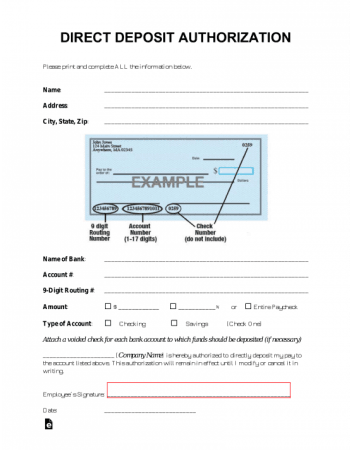
You’ll need to give this information to your employer:
Your bank’s routing number (a nine-digit number that identifies your bank)
Your bank account number (often between seven and 12 digits)
A voided check or bank letter for confirmation
Most teen-friendly bank accounts provide these details right in your banking app, or you can simply call your bank and ask for that information. In some cases, your employer will give you a direct deposit form to fill out.
Do all teen bank accounts support direct deposit?
Unfortunately, no. You must specifically look for teen accounts that support direct deposit because not all teen accounts are “true” checking accounts.
Some teen accounts are just prepaid debit cards, which means they may not have a routing number and account number, which are required for employer direct deposit.
There are also kid-owned bank accounts that don’t support direct deposit as an extra layer of protection, such as Chase First Banking and Bank of America Advantage SafeBalance Banking. These accounts only allow parents to deposit money into the account, which means they’re not great fits if you’re a working teen looking for an account to store your wages.
How to set up a teen bank account
If you’re under the age of 18, you’ll need an adult to help you set up your bank account. Bank accounts for minors often require teens to be at least 13, and then a parent or guardian is typically the adult joint owner of the account.
For student accounts, proof of school enrollment, such as transcripts or a student ID
What if the teen is over 18?
Adults can apply for a bank account on their own in most states. You’ll need the same information if you were to apply with a joint owner, including your name, address, date of birth and valid government ID. If you’re setting up direct deposit, you’ll need to give your bank’s information to your employer.
Many mainstream banks, such as Chase Bank and PNC, don’t charge monthly maintenance fees on their student accounts, or don’t charge monthly fees until you hit around age 24 or 25. There are also plenty of student accounts out there, often designed for college-aged students with no monthly fees and basic checking perks.
Bottom line
If you’re a teen with a job, you need a real bank account that lets you get paid by direct deposit, not just an app for allowance money.
Look for accounts with no fees, a debit card and easy mobile access. Whether you want more independence or some parental backup, there are plenty of kids’ and teen bank accounts to compare.
Frequently asked questions
It depends on the bank, but some teen accounts continue to function as normal, while others convert to "adult" accounts.
For example, once a teen owner of the Chase First Banking account turns 18, they need to choose another Chase checking account for it to convert to, such as Chase Secure Banking or Chase Total Checking. Another example is the PNC Virtual Wallet Student account, which automatically converts to an adult account at age 18.
At the time of writing, BusyKid does not have the ability to set up direct deposit.
No. Direct deposit and Zelle are both unavailable for teens for the Advantage SafeBalance Banking account, since only parents can deposit or transfer money in or out of the account.
No, the Chase First Banking checking account doesn't accept direct deposits, and it doesn't allow Zelle transactions either.
Typically, no, Cash App and Venmo transfers aren't considered direct deposit. Direct deposit, by the traditional definition, goes through the ACH network, which requires a bank account and routing number.
Bethany Hickey is the banking editor and personal finance expert at Finder, specializing in banking, lending, insurance, and crypto.
Bethany’s expertise in personal finance has garnered recognition from esteemed media outlets, such as Nasdaq, MSN, Yahoo Finance, GOBankingRates, SuperMoney, AOL and Newsweek. Her articles offer practical financial strategies to Americans, empowering them to make decisions that meet their financial goals. Her past work includes articles on generational spending and saving habits, lending, budgeting and managing debt.
Before joining Finder, she was a content manager where she wrote hundreds of articles and news pieces on auto financing and credit repair for CarsDirect, Auto Credit Express and The Car Connection, among others.
Bethany holds a BA in English from the University of Michigan-Flint, and was poetry editor for the university’s Qua Literary and Fine Arts Magazine.
See full bio
Bethany's expertise
Bethany
has written
469
Finder guides across topics including:
Most banks offer the same products, so service can be the tiebreaker. Here’s what J.D. Power surveys and customer reviews say about the best banks in 2026.
We updated ethical bank options, pros and cons and how to compare them.
Advertiser disclosure
Finder.com is an independent comparison platform and information service that aims to provide you with the tools you need to make better decisions. While we are independent, the offers that appear on this site are from companies from which Finder receives compensation. We may receive compensation from our partners for placement of their products or services. We may also receive compensation if you click on certain links posted on our site. While compensation arrangements may affect the order, position or placement of product information, it doesn't influence our assessment of those products. Please don't interpret the order in which products appear on our Site as any endorsement or recommendation from us. Finder compares a wide range of products, providers and services but we don't provide information on all available products, providers or services. Please appreciate that there may be other options available to you than the products, providers or services covered by our service.
We update our data regularly, but information can change between updates. Confirm details with the provider you're interested in before making a decision.