
Our verdict
If you’re contemplating starting a side hustle selling items online, e-commerce platform Shopify can help get your plans up and running relatively quickly without requiring coding knowledge.
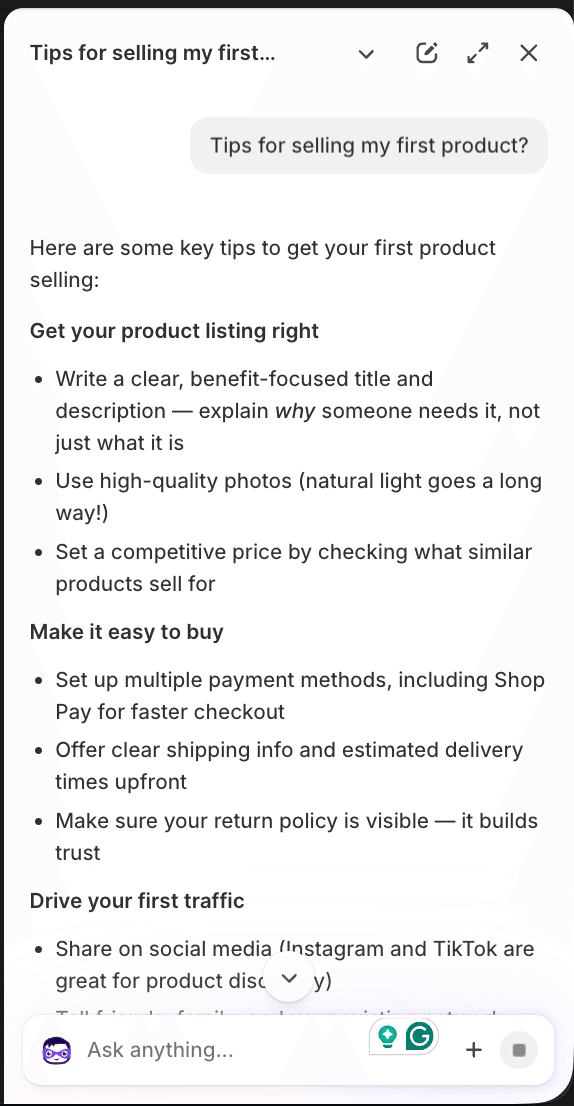
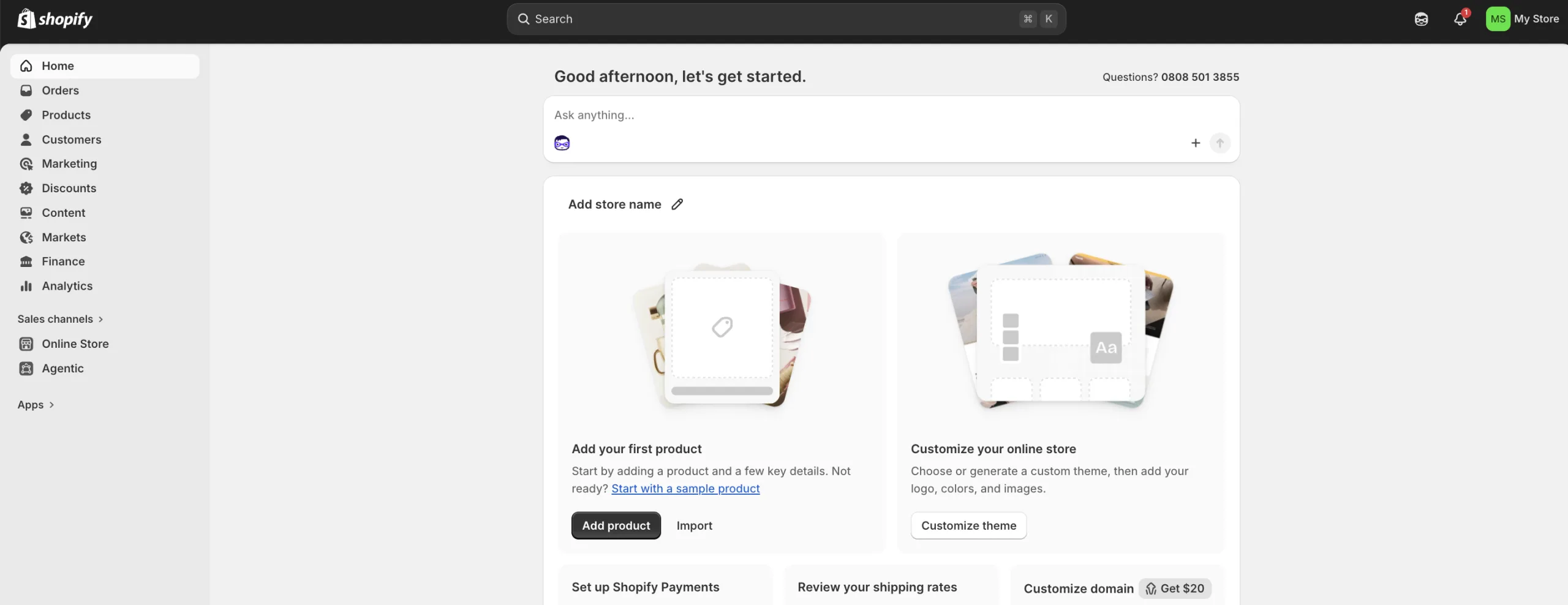
Shopify will guide you through the process of setting up your online store, using AI tools and templates, and will also enable you to accept secure payments and manage orders and stock from one place.
However, on the downside, there are ongoing costs to consider, including subscription fees and transaction charges. You may also be a little restricted in the designs you can use for your store front. For this reason, it’s worth comparing Shopify against other e-commerce platforms before making a final decision.
Pros and cons
Pros
- Quick to set up. Shopify allows you to launch an online store relatively quickly
- No technical skills required. The platform handles hosting, security and updates so you don't need coding knowledge
- Secure checkout. Customers can pay using a range of methods
- Built-in tools and integrations. Includes basic marketing features but you can choose to add more as your business grows
Cons
- Ongoing costs. Monthly fees and transaction charges can eat into profits.
- Limited control. You are restricted to the templates Shopify uses, unless you have technical skills or pay for development
- App dependency. Many advanced features require paid third-party apps
What is Shopify?
Shopify is an e-commerce platform that can help you create an online shop and sell products quickly and easily. Rather than building a website from scratch or managing multiple tools, Shopify brings everything together in one place. This includes the storefront your customers will see, the payments system, and the tools needed to manage orders.
Once you sign up, you can choose a design template, upload products and set prices. Customers will then be able to head to your website, browse your products and make a purchase.
Shopify offers 4 different pricing plans, with its cheapest and most popular option aimed at solo entrepreneurs. It offers a one-month free trial, and if you pay annually rather than monthly, you’ll save 25%.
Who is Shopify for?
Shopify could work for you if you’re looking to set up a small online business to sell items but don’t have the time or skills to build a website from scratch. Perhaps you want to sell handmade jewellery and accessories or printed T-shirts, for example.
Because it does a lot of the hard work for you, Shopify could be ideal if you’re using your online business as a side-hustle while still working your full-time job. You don’t need coding skills and you can get a basic store live relatively quickly.
But Shopify is also used by established brands and retailers.
What are the main features?
The key features of Shopify are as follows:
Website builder
This is a core feature, enabling you to build an online store using AI, custom templates and drag and drop tools to get your website looking how you want it, without needing coding knowledge. You can buy a domain through Shopify, or connect to an existing one if you already own one from a third-party provider.
SEO and analytics
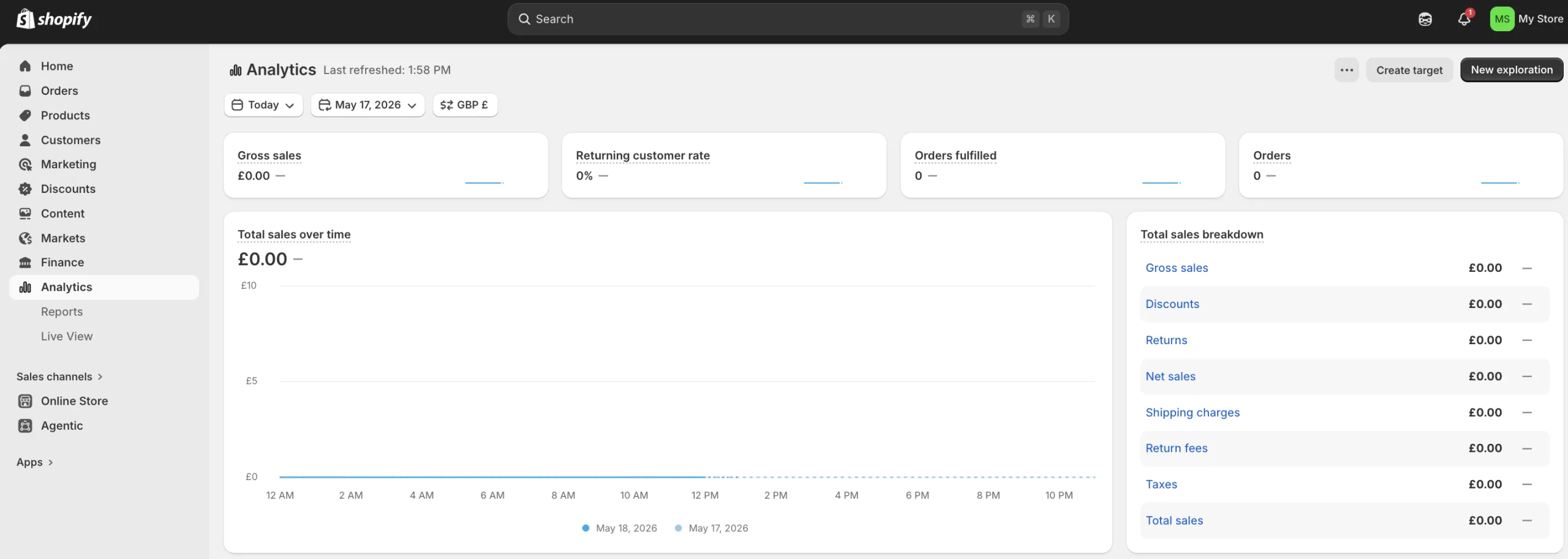
Shopify includes basic search engine optimisation (SEO) features, such as the ability to edit page titles, meta descriptions and URLs. It also provides built-in analytics to track traffic and sales performance. But if you want more advanced SEO tools, you’ll need to pay for third-party apps.
Payment processing
Shopify Payments enables you to accept a variety of payment methods at checkout and customers can make a purchase in a single click. Shopify Payments protects your customers’ data through fraud detection and encryption methods, with payment processing fees depending on the subscription plan you’ve selected.
Inventory management
Managing inventory can be a headache, but Shopify’s dashboard will enable you to easily track stock levels, manage deliveries and stay on top of customer orders. You can automatically generate shipping labels and provide customers with tracking information.
Sales and marketing
Shopify can also help you promote your products on social platforms such as Facebook, Instagram, YouTube and TikTok to generate sales.
If you later choose to expand, you can reach international customers by listing items on marketplaces like Amazon, eBay and Etsy.
Is Shopify safe?
Shopify is a safe, secure and legitimate platform for both buyers and sellers. It features robust, built-in security such as SSL encryption and PCI DSS compliance (the highest standard for payment security). It also comes with built-in fraud detection and secure payment processing.
More guides on Finder
-
Wix website builder review
Find out how Wix could help you build your online business website.
-
WooCommerce review
We explain how e-commerce plugin WooCommerce works so you can decide if it’s right for you.
-
How to build your online store in a weekend
Ever wanted to build your own online store? Discover how to set one up over the weekend.
-
Best software to start an e-commerce business
Discover which types of software are best for an e-commerce business.
-
Best customer support software for online stores
Learn which types of software can help get your e-commerce business off to a flying start.
-
Best customer support software for online stores
Benefit from increased customer satisfaction and higher productivity with the right customer support software.
-
How to conduct a software audit for your business
Follow these steps to audit your business software to cut costs and remove unused tools.
-
Can AI really run your side hustle?
Learn how Shopify’s AI-powered assistant, Sidekick, can help run your side hustle. (Paid content)