Wix lets you build a website without needing any coding skills. It’s part of a range of website-building platforms that make it easy for businesses to get set up and scale as they grow.
However, if you’re not sold on Wix and want to see what some of its competitors are, then read on. Another platform might be more suitable for your needs.
Shopify
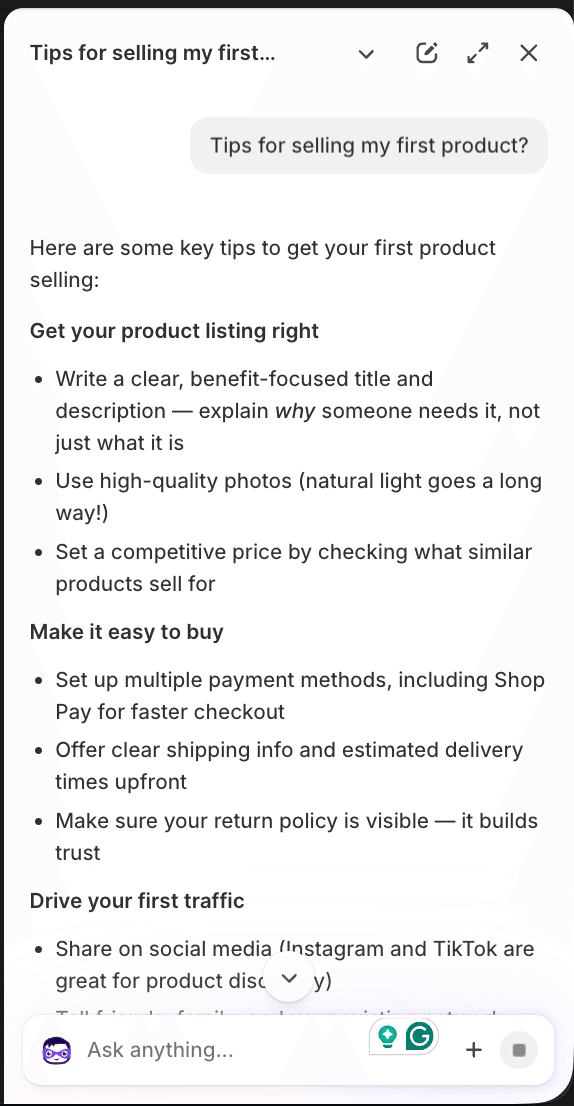
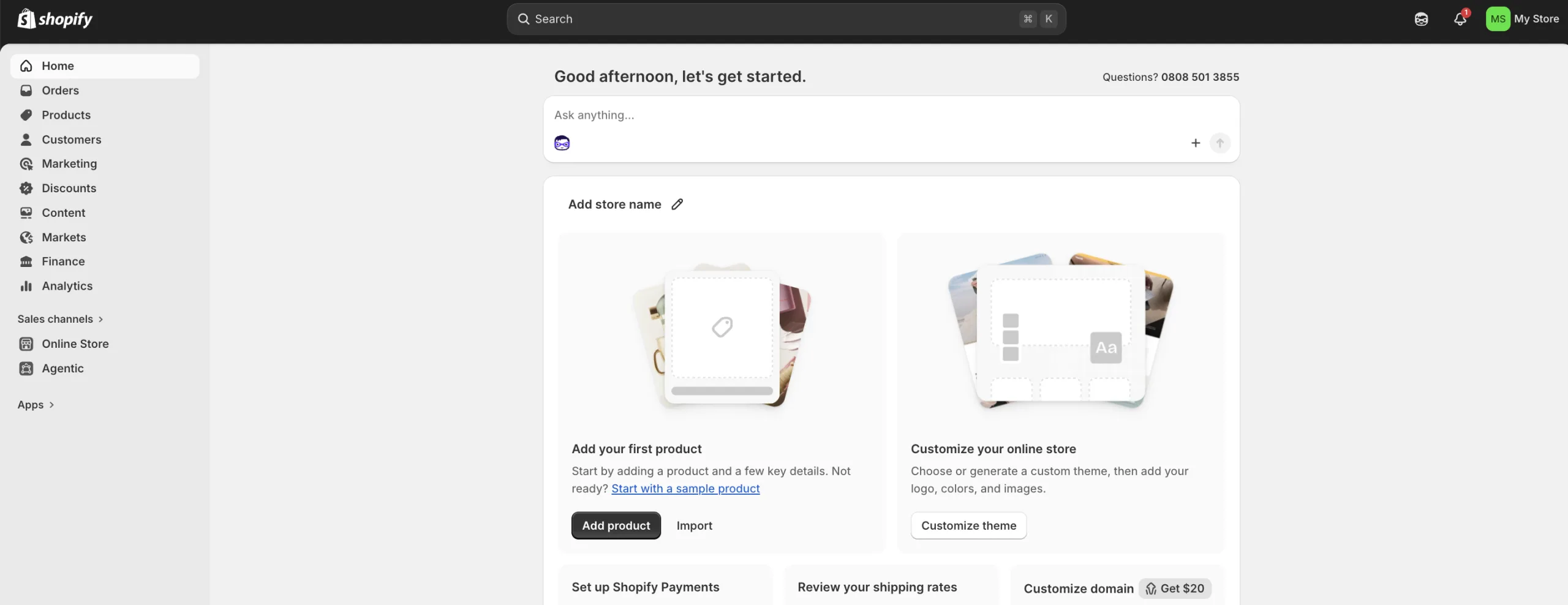
If you’re looking to build an online store then chances are you’ve come across Shopify. It comes with website-building tools, SEO and analytics, payment processing, inventory management and AI features. Shopify also helps you make sales and market using social media.
Pros
- The biggest player in e-commerce platforms
- No tech costs because they're included in the price
- User friendly for you and the customers
- Access to the Shop Pay ecosystem which can increase sales
Cons
- You're limited by Shopify's templates
- Monthly fees can increase quickly if you add lots of Shopify's paid apps
- Using other payment methods can incur extra charges
- Credit card fees aren't returned when you process a refund
Shopify: Complete platform breakdown
| Feature | Shopify Data |
|---|---|
| Target audience | UK side hustlers to enterprise |
| Setup type | SaaS hosted |
| Google Play rating | 4.2 |
| iOS app rating | 4.7 |
| Mobile app utility | Full store management & order fulfilling |
| Base monthly price (GBP) | £25/mo + VAT |
| Turnover caps / hidden limits | None on basic tiers |
| Gateway transaction fee (native) | 1.5% to 2.0% + 25p |
| 3rd party transaction fee | 2.0% penalty if not on Shopify payments |
| UK VAT & invoice ready | Yes (automated tax zones) |
| GDPR/Cookie compliance | Built-in basic setup (requires app for deep compliance) |
| Royal Mail integration | Excellent (native & app options) |
| Evri/DPD/UK carrier options | Excellent via ShipStation/Packlink |
| Inventory sync (POS) | Strong (native Shopify POS integration) |
| Editor style | Section-based block theme editor |
| Free templates count | 12 |
| UK timezone availability | 24/7 global live chat & email |
| Contact channels | Chat / email / community forums |
| App store size | Massive (8000+ apps) |
| UK entrepreneur rating (1-5) | 4.5 |
| Ease of use (1-5) | 4.5 |
| Learning curve level | Moderate |
| Best suited for | Rapid scaling & app-heavy businesses |
WooCommerce
WooCommerce is a plugin that works within WordPress to make any site a functioning store. You can set up a store with flexible secure payments and manage orders. It has an app store so you can use add-ons if you want extra features. However, bear in mind that hosting, updates and security would be your responsibility, so you need to consider this before committing.
Pros
- No monthly platform fees
- You can use any payment processor you like without being charged extra
- It lives inside WordPress so SEO is front of mind
- You own your own data, hosting environment and website
Cons
- You have to pay for plug-ins
- You're in charge of your own security and hosting
- Plug-ins can cause issues with the website if one stops working
- Can slow down significantly if traffic spikes
BigCommerce
With advanced tools and zero platform transaction fees, BigCommerce can give you clarity on cost. It offers flexible tools and integrations, expert support and the ability to sell products across multiple domains.
Pros
- Advanced features included in monthly price
- Doesn't charge transaction fees
- Third-party real time shipping calculations are available on any plan
- Unlimited number of staff accounts
Cons
- Monthly price is based on revenue, so if you earn more you'll be forced to upgrade
- Can be more complex than competitors
- No email marketing tools
- You need to use third-party apps to set up subscriptions
Squarespace
You can easily create a website that looks like it has been designed by a professional with Squarespace. Web hosting, software updates and security are included in the price, so you can focus on making your site perfect. Expect a sleek user experience if you choose this option.
Pros
- Designed so that anyone can create a good-looking website
- All-in-one solution to build a website
- Built-in marketing tools
- Easy for beginners to use
Cons
- Fees can add up if you need more features
- Not as good for e-commerce as other platforms
- Limited flexibility for complex or massive product inventories
- Website editor can be difficult to use
Bottom line
Utilising an e-commerce platform can help you launch a digital storefront quickly, but every platform is different. There are lots of platforms that do similar jobs to Wix, so you need to decide what you want to build then choose the platform that best fits your needs.
You should consider what tools are available, how quick it is to set up and how much you’re going to need to spend to get what you want. Many platforms offer free trials, so that could help you make a decision.
If you’re not sure about using Wix and want to see the alternatives, consider some of the other platforms on this list and decide if they might be better suited to your needs.
More guides on Finder
-
Cheap e-commerce software: Shopify & more
Starting an online shop doesn’t have to cost you an arm and a leg. We’ve looked at some cheap options for you.
-
Squarespace review
Design a professional-looking website with Squarespace.
-
BigCommerce review
We reveal the pros and cons of using BigCommerce to start your business.
-
Alternatives to BigCommerce: Shopify and more
Searching for a BigCommerce alternative? Check out these robust platforms designed to scale your online business.
-
Alternatives to WooCommerce: Shopify and more
Weighing your options against WooCommerce? Discover how these powerful e-commerce platforms stack up.
-
Shopify vs Wix
We pit Shopify against Wix to help you choose between them.
-
The best e-commerce platforms in the UK 2026
Learn about the best e-commerce platforms to start selling online in the UK.
-
Shopify vs WooCommerce
Sizing up the key differences between Shopify and WooCommerce.
-
Shopify vs Squarespace
Compare Shopify and Squarespace side by side.

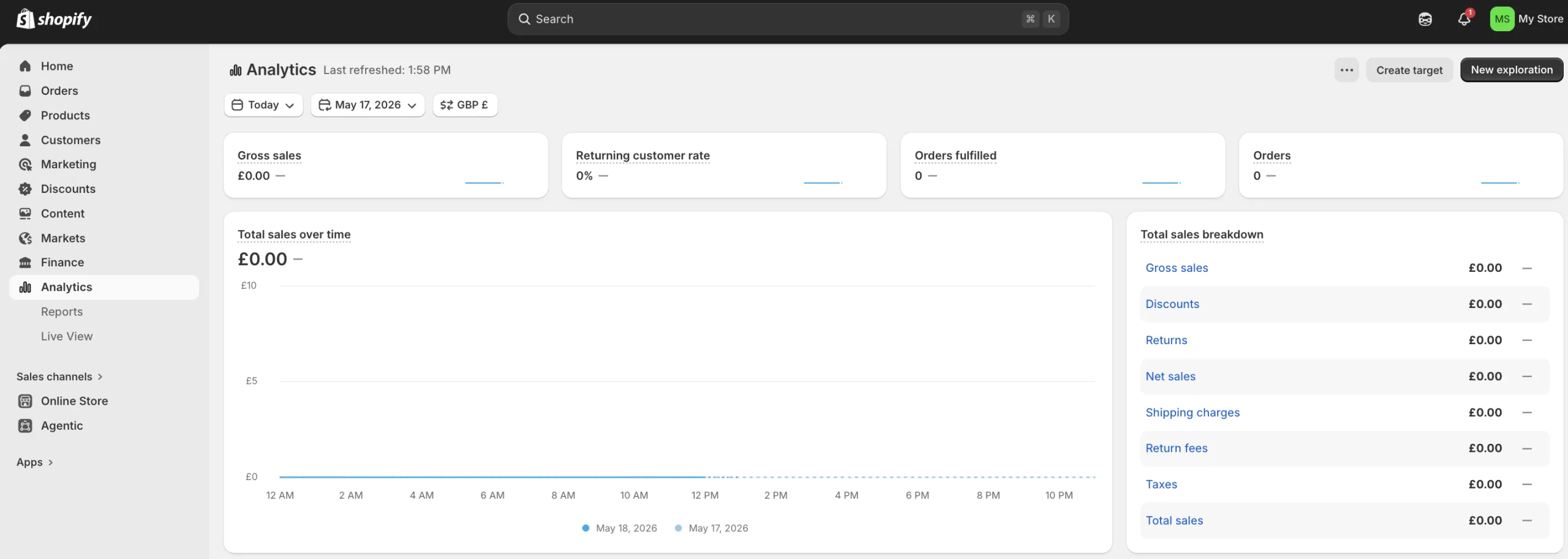
I had a look around the dashboard and was impressed with the analytics setup. Having run my own websites before, I know you can gain a lot of knowledge from data and reporting, so it was nice to see this already built out for me without any extra work.
I liked the new AI feature called Sidekick. I started up a quick conversation and had a bit of back and forth, and it seemed capable of directing me to the right place. I can imagine this is a big win for people who don't have the resources to hire their own developers or designers. "