
Give your child the head start you wish you’d had, with their own smart money app and card. Get 2 months free plus £20 pocket money with code AFFFDR220.
Get started
Paid for by:

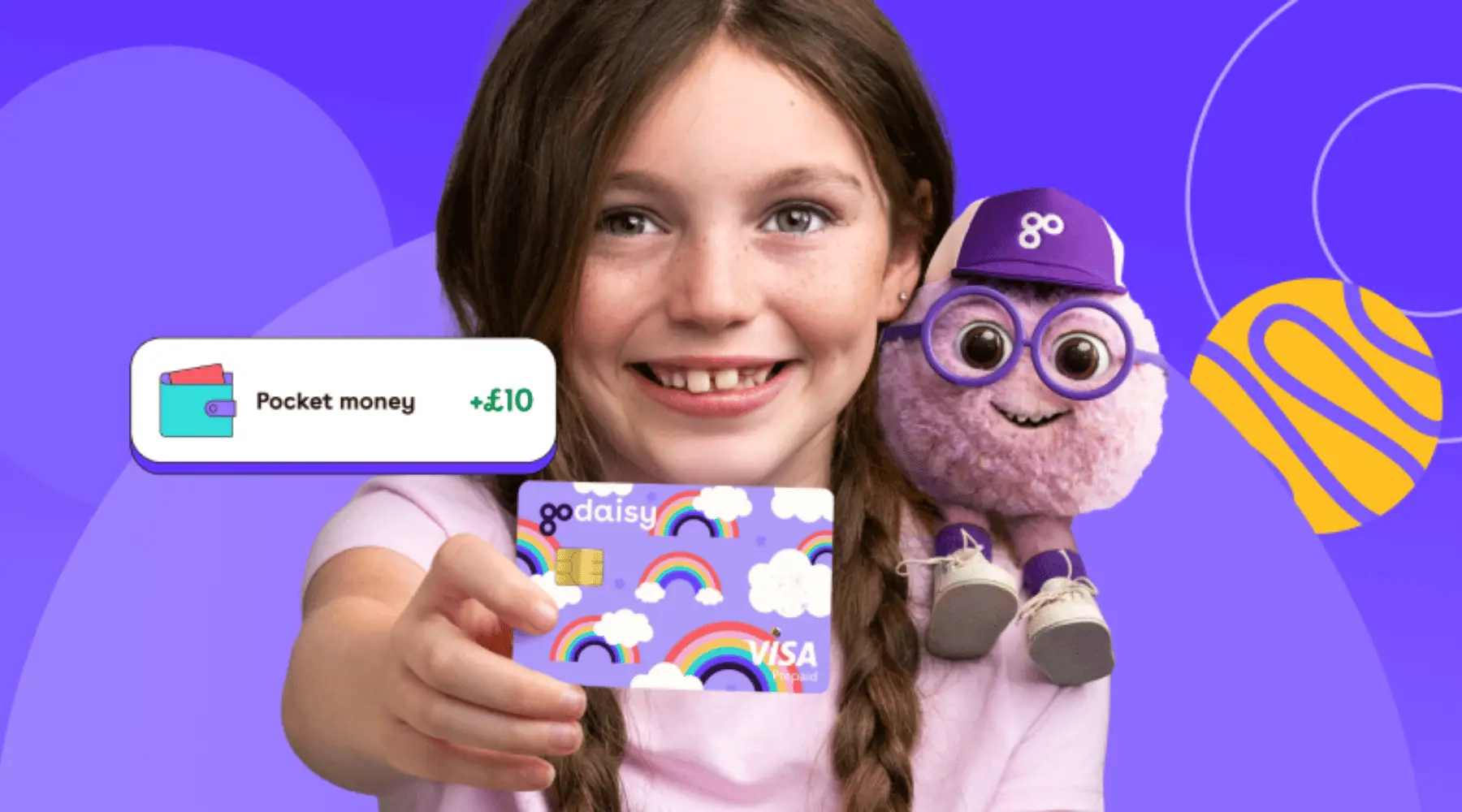
Kids are surrounded by money in their everyday lives, be it through pocket money, online shopping, or in-game purchases. But do they have the money smarts they need when they leave school?
We’ve teamed up with GoHenry to bring you an essential guide to money smarts and how your child can master the real-life skills of earning, saving, spending and investing.
Give your child the head start you wish you’d had, with their own smart money app and card. Get 2 months free plus £20 pocket money with code AFFFDR220.
Get startedOne of the most important money skills that your child should learn is that money needs to be earned. As much as we would all like money to grow on trees, that just isn’t the case.
There are several ways you can teach your child about earning money, whatever age they are.
Pocket money for chores. While it’s a good thing to give pocket money regularly, you can also introduce a pocket money boost for completing certain chores. Within GoHenry’s smart money app, you can set weekly tasks and how much your child will get paid for them. Simply tick them off once it’s done, and this will be added to their weekly allowance.
Sell old toys/books. For younger children who can’t yet get a job, there are still opportunities to hustle up some cash by selling their unwanted items. With parent supervision, they can do this through sites like Vinted, Depop or eBay.
Part-time jobs. Once your child is a teen, they can start earning through gigs like babysitting, dog walking or even a part-time job in a shop. Your child’s GoHenry account has its own account number and sort code, so they can have their wages paid straight into it.
“Earning teaches them that effort equals reward.”
Establishing a savings habit at an early age will pay off in later life. Encouraging your kids to set goals and be mindful about spending their money will teach them good money habits that will stay with them as adults.
Pre-schoolers. With very young children, you can start by “saving” something like pasta in a jar. From the age of 3 or 4, you can give them a piece of pasta in a jar each week as their “allowance”, then reward them with another piece for good behaviour. They’ll be able to see the pieces in the jar grow, and once filled, you can agree on a treat.
Primary-aged children. Smart money apps like GoHenry are great for setting up a regular allowance and setting savings goals. Your child can set an amount they want to automatically save each week, as well as name their savings goals and track their progress.
Secondary-aged children. On GoHenry’s Plus and Max, your child can earn interest on their savings*. This helps them understand the impact of interest and how this can help them save towards their goals.
“Saving teaches planning and patience – it shows kids that what they set aside today can help them reach bigger goals in the future.”
Give your child the head start you wish you’d had, with their own smart money app and card. Get 2 months free plus £20 pocket money with code AFFFDR220.
Get startedUnderstanding that you only have so much and therefore need to make a choice is an essential money lesson for your child to learn. By giving your child regular pocket money, they can start to make choices about how they spend (or save!) their money. And it gives you the opportunity to talk through their choices with them.
Wants vs needs. A good place to start is to talk about wants vs needs. They may want to buy V-Bucks but do they need it? If they are older and out with friends, do they have enough money to buy lunch if they need it? Having these conversations with them can lay the foundations for some solid budgeting skills.
Control the budget. You can take this further and have your kids control the budget for a day out. Before your trip out, talk through how much they think everything will cost and then load up their GoHenry card with the agreed amount. During the day, they’re then in charge of paying for everything. GoHenry’s smart money app has real-time transaction notifications, so they can see if they are on track to keep within their budget.
“Let them make small mistakes when spending – it’s better to blow £5 on sweets now than £500 on credit when they’re older.”
It’s never too early to talk to your children about investing. You don’t need to dive into the intricacies of the stock market. Instead, you can keep it simple and explain investing as “making your money work while you sleep”.
GoHenry’s smart money app can also help you out. Its Money Missions are a series of gamified lessons where your child can learn about the basics of investing and how to become a smart investor.
“Investing teaches them that patience and consistency can lead to growth.”
Your kids don’t need to learn everything at once. Every conversation, choice and habit established will build their financial confidence over time. Just keep talking to them about money and, where you can, demonstrate good money habits so they can learn from the best!

GoHenry: where kids go to learn money
Kids learn to earn, save, spend and invest with pocket money, custom savings goals, gifted money from family and friends, gamified lessons and more. Give your child the head start you wish you’d had, with their own smart money app and card. Get 2 months free plus £20 pocket money with code AFFFDR220.
Join today!*T&Cs apply. GoHenry Interest Savings is provided by Bondsmith Savings Ltd, authorised by the Financial Conduct Authority. The GoHenry card is issued by IDT Financial Services Limited, a principal member of VISA Europe.
Discover who can pay money in at the Post Office, how you do this and whether your bank is supported at Post Office Everyday Banking.
Compare the cost of living in cities around the UK and discover the salary you would need to rent a 1-bedroom flat in each location.
The Bank of England (BoE) sets the official bank rate 8 times per year. Here at the latest base rate predictions, including expert analysis.
Our 2026 research revealed that Brits will spend an estimated £1.6 billion during the Easter period, averaging around £36 per person.
We look at the latest bank branch statistics, including the number of branches in the UK and how many from each major bank are closing.
What are the biggest and most famous banks? Which banks are winning and losing customers? How are opinions about banks changing? We have collected all the latest banking statistics here.
Our analysis shows how much UK residents have left after paying for food and rent. Which are the best and worst cities for disposable income?
We’ve compiled data on the average price of a pint of beer in the most populated cities around the world and across the UK.
Digital-only banks are becoming increasingly popular so we look at the latest digital and online banking statistics in the UK.
An estimated £1.3 billion has been spent on unwanted gifts in the UK, with around 31 million Brits receiving a gift they did not want.