Greenlight
- Starts at $5.99/month after free trial
- Earn up to 6% on savings and 1% cashback
- Optional investing tools
- You and a referred friend can earn $30+


We regularly research over 35 debit cards for kids to rank the best options for children aged 13 and under, and a few teen options as well. These kids’ debit cards come with robust parental controls, financial education tools and low monthly fees, all designed to help you teach your child about saving and spending safely. And of course, all our top picks have FDIC insurance coverage.
We’ve found plenty of options with flexible age requirements, allowing kids under 13 to get a debit or prepaid card as long as an adult acts as the joint co-owner or sponsor. Whether you’re looking for a free debit card, one with investing features or a full financial literacy app, we have plenty of options to compare.
See how these three cards for kids stack up on features, fees and interest.
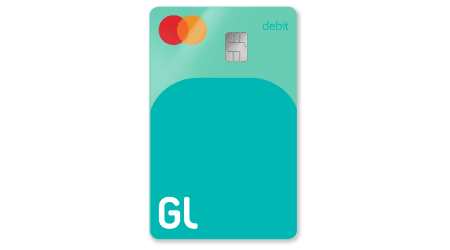
Greenlight
Cash App Families

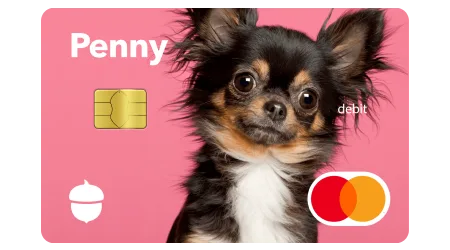
Acorns Early (formerly GoHenry)
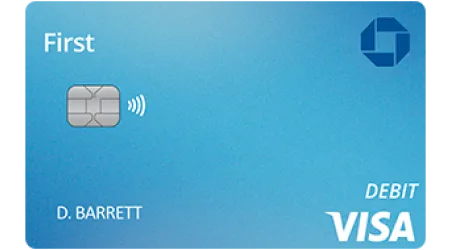
Chase First Banking℠
Quickly compare the best kids’ debit cards by age requirements, monthly fees and more.
| Kids’ debit card | Best for | Age range | Monthly fee | Free trial | Learn more |
|---|---|---|---|---|---|
| Greenlight debit card | Safety features and US Bank customers | Any | Starts at $5.99 ($0 with eligible US Bank checking account) | 30-day free trial | |
| Acorns Early (formerly GoHenry) | Gamified learning | 6 to 18 | $8 ($0 with Acorns Gold subscription) | 30-day free trial | |
| Chase First Banking | Chase customers | 6 to 17 | $0 | N/A | |
| Modak Makers | Rewards | Any | Starts at $0 | N/A | |
| Bank of America SafeBalance for Family Banking | Bank of America customers | 6 and up | $0 for ages 24 and under | N/A | |
| Capital One MONEY Teen Checking | Capital One customers | 6 to 17 | $0 | N/A | |
| Busykid | Learning to invest | 5 to 17 | $4 ($48 billed annually) | 30-day free trial |
Finder’s banking editors research and compare over 35 cards for kids. We evaluate features such as parental controls, ease of use, fees and tools for teaching financial literacy. We also choose cards that can suit specific needs, like large families, gamified learning and investing. To qualify as a best kids’ card, options must meet the following minimum criteria:
At what age would you get a debit card for your kid?
When choosing a debit card for a child, consider:
With parental supervision and careful management, kids’ debit cards can certainly be safe.
Cards for kids often come with strong parental controls like spending limits, store restrictions and the ability to lock the card. Banking apps like Greenlight can also provide additional protections for identity theft and purchases.
No matter which cards you’re considering, make sure it has deposit insurance. Most kids’ debit cards are insured for up to $250,000 through the FDIC or NCUA. Deposit insurance protects your balance in the unlikely event of a bank bankruptcy or failure. All the best kids’ cards we chose have FDIC insurance.
Most bank accounts — for kids and adults — also offer these protections:
Kids’ debit cards can provide an easy way for parents to send cash, manage chores and allowances and give kids a little more financial freedom. Learning to manage checking and savings accounts is an essential skill for adulthood.
If your kiddo isn’t quite ready for their own banking app, a regular prepaid card could be a suitable alternative until they’re a little older.
Compare other kids’ banking options and free kids’ bank accounts.

Families will spend an average of $863.86 on back-to-school shopping in 2026. Compare costs by category and find six ways to cut your total this year.
Modak has no monthly fee, but it’s slim on features. Greenlight starts at $5.99, but can be a great value for big families.
Modak’s base plan is a no-frills, free debit card for kids and teens, and the paid plans offer chores, savings and cashback rewards.
Compare the six best kids’ bank accounts that have no monthly fees.
The piggy bank is a centuries-old savings method with mysterious origins and an innovative, digital future.
We look for the following features when rating kids debit cards: monthly fees, features, availability, customer service, interest rate and more.
FamZoo offers a kids’ debit card and banking app, with no specific age requirements, and offers a ton of tools. But you can’t avoid the fee.
BusyKid is one of the best kids’ cards on the market, but you’ll pay $48 per year.
Compare the best four kids’ savings account options to save for their future, and learn essential things about investing and saving for kids.