£20 pocket money bonus + 1 month free trial
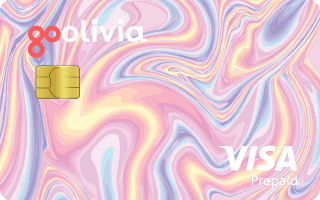

£20 pocket money bonus + 1 month free trial
Prepaid debit card & app (for kids 6+)
Full parental control, fun for kids
GoHenry card £3.99/mo
Fees, Criteria, T&C's apply.
Best for parental controls

T&Cs apply
Value for money
Promoted


T&Cs apply
Best for older kids


T&Cs apply
Best all rounder
T&Cs apply
To make comparing even easier we came up with the Finder Score. Fees, features and controls across the most popular card issuers are all weighted and scaled to produce a score out of 10. The higher the score the better the card – simple.
Read the full methodologyYou usually can’t open a children’s bank account in the UK until your child is at least 11 years old. You may want your child to have access to some money to spend before they reach that age or you might feel that your child doesn’t need a current account until they hit their later teenage years. Either way, you’d like them to have their own payment card before that.
In those situations, there is a range of prepaid debit cards for kids now available on the UK market. They come with an accompanying mobile app which is there to help teach them good financial skills and help you as a parent keep an eye on their spending. There are bank accounts where a parent can open the account and manage it on behalf of the child until they hit eligibility age – for example, Santander’s 123 Mini Current Account (at age 13, a child can apply directly for this one).
Compare the following features when shopping around for a debit card for your kids:
Many debit cards for kids are prepaid cards. You can load money onto them from the parent’s bank account using a mobile app that accompanies the physical card.
A lot of these cards and apps come with extra features, like the ability to see how your child spends their money or the option to pay them pocket money for doing their chores.
Prepaid cards can be available for kids as young as six.
You can let your child keep their prepaid card as they get older or help them open a current account for teenagers when they’ve outgrown the prepaid card.
Before you get a debit card for your child, consider these features and drawbacks:
A prepaid debit card that comes with a mobile app can help your child learn how to manage money responsibly, plus it lets parents track their kids’ spending so you can see if they’re meeting that goal. If this is the route you want to go down, there are a number of products available in the UK – our guide on gohenry and similar alternatives explores these more.
However, prepaid debit card accounts aren’t designed to be full current accounts or savings accounts, so you’ll have to weigh up what type of financial account you’re looking for for your child. Check out our guides on current accounts for children and savings accounts for children to help you decide.

Sign up to receive the latest deals, tips and a chance to win £100! (T&Cs)
Error placeholder Click here to sign in
Improve your child’s budgeting skills with these tips.
We teamed up with GoHenry to answer your child’s curiosity and turn these financial concepts into real-world money skills. (Paid content)
Learn more about the pros and cons of prepaid debit cards for kids.
We’ve partnered with NatWest Adapt to help teens master their digital money goals. (Paid content)
This summer, we’ve teamed up with GoHenry to help you challenge your kids to earn and save for their own back-to-school upgrades. (Paid content)
If you’re tired of using cash for your kids’ pocket money or want to put money aside for when they’ll go to uni, NatWest has dedicated account options for both cases.
All you need to know about current accounts for under 18s, from why they can make a well-informed choice to what you need to open one.
GoHenry gives financial independence to children and full control to parents. We look at how it works and what features it has to see if it’s worth the fee.
With nimbl, children as young as 6 can use a card and manage their money through an app. We cover how it works, the fees, and the pros and cons for parents.
Looking to get your child a debit card? Check out Osper’s prepaid card and app.