
Give your child the head start you wish you’d had, with their own smart money app and card. Get 2 months free plus £20 pocket money with code AFFFDR220.
Get started
Paid for by:


Figuring out the right amount of pocket money for your kids is always a bit of a tightrope walk. Are you giving too much? Too little? What are their friends getting? To take the guesswork out of allowance, we’ve partnered with GoHenry for your ultimate guide to typical pocket money by age – straight from GoHenry’s Pocket Money Unwrapped: Mid-Year 2026. Find out if you’re on track, when to give a pay bump, and how to have stress-free money conversations with your kids.
Give your child the head start you wish you’d had, with their own smart money app and card. Get 2 months free plus £20 pocket money with code AFFFDR220.
Get started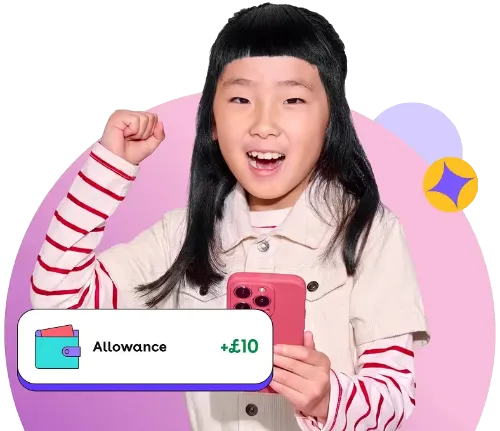
Average weekly pocket money:
Age 7 – £4.30
Age 8 – £4.44
Age 9 – £4.78
The money chat
At this age, it’s all about building basic money confidence. Keeping payouts small and frequent helps your child get used to a regular routine, giving them the perfect hands-on practice to master the basics of spending and saving. GoHenry’s smart money app lets you set up a regular weekly allowance, which will automatically be added to your child’s card on your chosen day.
This is the perfect time to chat about how much pocket money they’ll get each week and what they want to do with it. Try looking at how much certain toys cost together and setting up some simple savings goals. The GoHenry app makes this really visual for kids, letting them name and personalise their goals to stay motivated.
Also, don’t stress if they make some bad choices at this age, like buying a plastic toy that breaks 10 minutes later. It’s much better to make these low-stakes mistakes now, so they can take those valuable lessons into the future.
Average weekly pocket money:
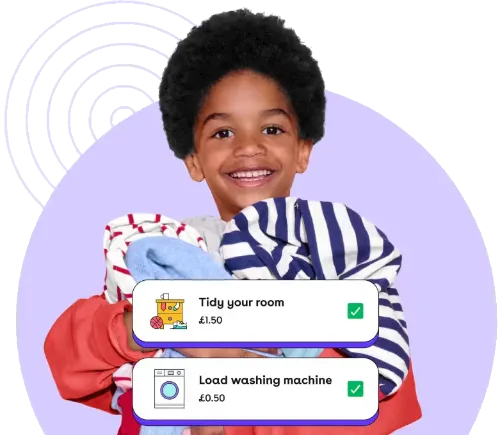
Age 10 – £5.38
Age 11 – £6.46
Age 12 – £8.12
The money chat
Once your child hits the ages of 10 to 12, their world is a little different to when they first started getting pocket money. The items they want to buy may be more expensive, and their social life may be more interesting. Not only will they be saving for the newest video game, but they may also be buying after-school snacks from the local corner shop with friends. Their money suddenly needs to stretch further, which is why this is the time for an allowance bump.
Now is the time to start having more grown-up chats about budgeting. A great way to frame this is by letting them know you’re upping their weekly pocket money, but with a catch: they’ll now need to cover their own social costs.
This is a brilliant opportunity for them to practice independent decision-making. Get them to map out what they’ll need for outings across the month, and encourage them to tuck that cash away into a separate savings space in their GoHenry app. It’s a simple way to make sure their social budget doesn’t accidentally vanish by week 2.
Give your child the head start you wish you’d had, with their own smart money app and card. Get 2 months free plus £20 pocket money with code AFFFDR220.
Get started
Average weekly pocket money:
Age 13 – £10.68
Age 14 – £12.86
Age 15 – £14.54
Age 16 – £16.66
The money chat
These teen years are the time to shift gears when it comes to pocket money. It’s a move from weekly pocket money to a monthly allowance, mimicking how a real monthly paycheck works. This forces them into having to plan ahead and budget for the full month, rather than just week by week.
It’s also a good time to discuss teens taking over responsibility for paying for their own clothing, cinema tickets and bus fares. And making it clear that once the monthly sum is gone, the “Bank of Mum and Dad” is strictly closed until the next payday.
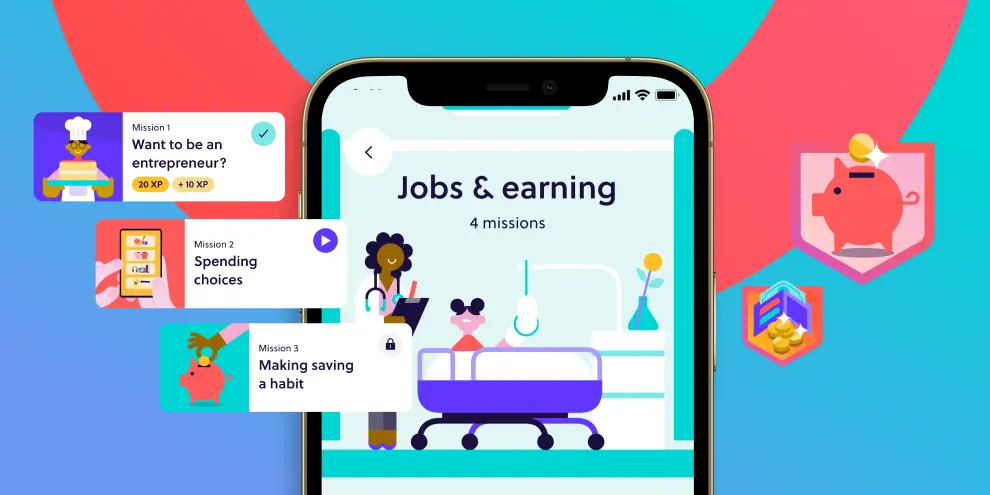
If your teen is finding it tricky to stretch their budget, point them towards GoHenry’s Money Missions. Through interactive, bite-sized lessons and quizzes, they’ll master how to create a budget, adjust it on the go, and save effectively. These are the essential money skills they’ll need for the future.

Average weekly pocket money:
Age 17 – £18.61
Age 18 – £16.57
The money chat
Now is the time for them to transition from an allowance to financial independence. Many teens this age have part-time jobs, which means that pocket money will transition to a top-up or stop entirely.
It’s also an age of high-cost milestones, like driving lessons, car insurance, and first holidays with friends. Challenge your teen to manage these major expenses themselves. You can offer guidance, but establish clear boundaries regarding how much you will contribute and how much they are expected to cover.
The aim during this time is to step back from being a financial gatekeeper and instead adopt a “financial consultant” role. Letting them make real-world budgeting mistakes now, while they still have the safety net of being under your roof, is invaluable preparation for the future.

GoHenry: where kids go to learn money
Kids learn to earn, save, spend and invest with pocket money, custom savings goals, gifted money from family and friends, gamified lessons and more. Give your child the head start you wish you’d had, with their own smart money app and card. Get 2 months free plus £20 pocket money with code AFFFDR220.
Join today!We teamed up with GoHenry to answer your child’s curiosity and turn these financial concepts into real-world money skills. (Paid content)
Learn more about the pros and cons of prepaid debit cards for kids.
We’ve partnered with NatWest Adapt to help teens master their digital money goals. (Paid content)
This summer, we’ve teamed up with GoHenry to help you challenge your kids to earn and save for their own back-to-school upgrades. (Paid content)
In this guide we walkthrough 5 fun, safe and practical “side hustles” your kids can start this summer to supercharge their pocket money. (Paid content)
New to NatWest Rooster Money? See if you can keep some more money in your pocket with our promo codes and special offers.
Learn more about the Halifax Expresscash account to see if it’s right for your child.
If you’re tired of using cash for your kids’ pocket money or want to put money aside for when they’ll go to uni, NatWest has dedicated account options for both cases.
This guide looks at how Halifax’s child accounts work, whether they make a good choice to teach kids about personal finance, and and how to open one.
