Finder makes money from featured partners, but editorial opinions are our own.
What Is Positive Pay and Does My Business Need It? (2026)
Need help with fraud prevention for your business? Positive pay might be a good option.

When you’re running a business, you don’t want to deal with bad checks. Fraud reportedly costs businesses 7.7% of their revenues globally, according to TransUnion.(1) That percentage doesn’t sound like a lot at a glance, but it represents an estimated $534 billion across the 1,200 businesses surveyed from TransUnion’s report.
So how do you avoid fraud as a business owner? One of the options to add to your belt is positive pay.
In short, positive pay is a fraud-prevention service some banks offer business accounts to stop fake or altered checks from clearing. This service can help flag forged, altered, inaccurate or counterfeit checks and payments. It’s an automated service that the bank does for its customers.
A positive pay service works in a few ways, but its main function is to review checks and payments. It helps detect unauthorized checks by reviewing the check details, check number and amounts, then compares the details to the company’s list when the checks are used for payment.
After checking details, if the information looks good, and everything matches, the positive pay service processes the check.
On the other end, if something doesn’t match, like a different amount, a duplicate number or an altered payee, the bank holds the check. You decide whether to pay it or return it, usually within a set time frame.
There’s also ACH positive pay, which does the same thing for electronic debits. You set rules for which companies can pull money from your account, and anything else gets flagged.
Where regular positive pay is the bank reviewing checks for you, reverse positive pay is when you review the checks.
Reverse positive pay involves the bank sending you a list of the checks presented for payment each day. You then compare them to your own records and flag any you want returned, usually before a daily deadline.
Typically, yes, there’s a fee to turn on positive pay, but we did find a few banks that include it for free with select business accounts. We saw a range of anywhere from $0 to $70 per month for positive pay.
Here are some banks that offer it, and the costs:
The big question.
Positive pay can be worth it for most small businesses that write checks regularly. A single fraudulent check can cost far more than the monthly fee, not only in money but also in time.
If your business rarely writes checks, reverse positive pay or ACH positive pay alone may be enough.
Narrow down top business accounts by fees, APYs and features. Tick the Compare box to put multiple accounts side by side for an easier comparison.
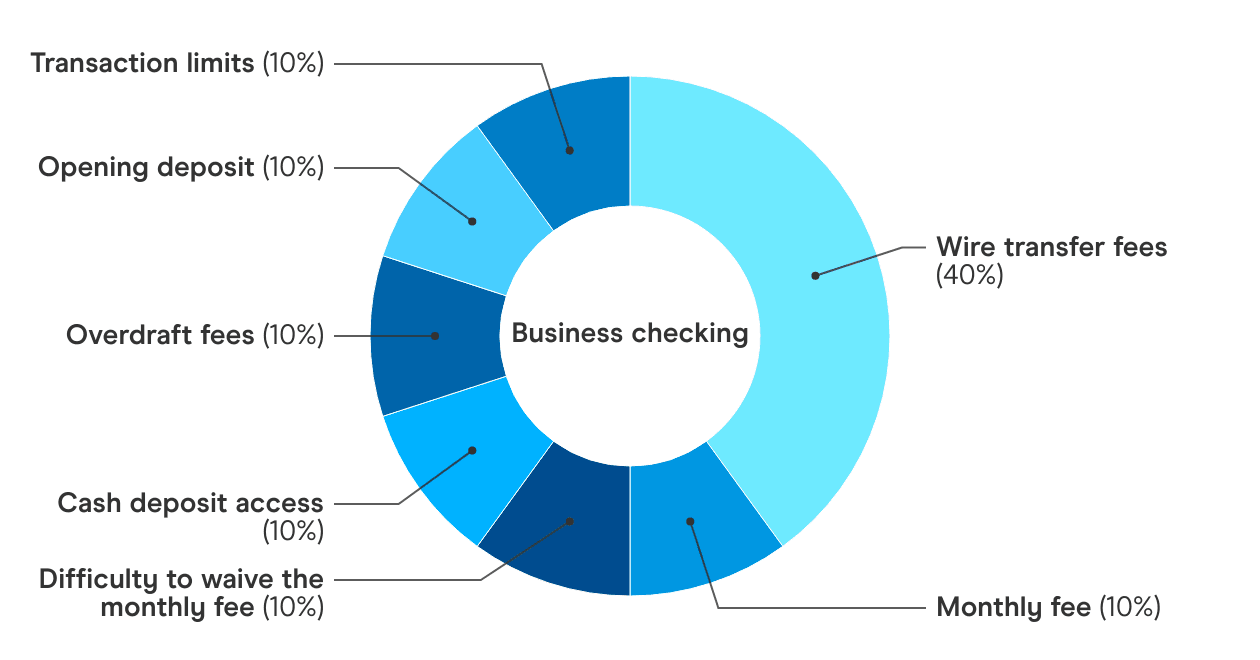
The Finder Score analyzes and evenly weighs business accounts against multiple factors, including monthly maintenance fees, opening deposits, overdraft fees, wire transfer fees and transaction limitations. We also award accounts that offer extra perks not normally offered, such as annual percentage yield (APY), without penalizing accounts that aren’t interest-bearing.
Positive pay for checks or ACH payments is typically mostly offered by traditional banks like Chase, U.S. Bank or Capital One. Many online business banks and fintechs don’t offer positive pay, since their customers rarely write paper checks, but the online bank Axos does offer positive pay with both checks and ACH.
Positive pay can sometimes be free with a specific business account, while other banks charge an additional monthly fee. If your business has struggled with fraudulent payments or checks in the past, then positive pay may be well worth looking into.
Compare more business bank accounts, resources and help guides.

Read on how to switch business bank accounts, and get common questions answered on the process.
Compare six of the best business bank accounts for gig workers, freelancers or side hustlers.
Bluevine and Novo are both strong business bank accounts, but Bluevine wins for its bigger perks and more account offerings.
A property management software and account designed for landlords.
Relay has a free business account, but the paid plan comes with more perks.
The Square Savings account is a solid choice for business owners who want to automate their savings.
See how the Do More Business Checking business account with no monthly fee compares to others in the market.
Small business owners can earn up to 3% APY with Bluevine’s business checking account that accepts cash deposits.
Compare the best free business checking accounts available with no monthly fees, such as Bluevine, NBKC, Found, Novo and Axos.
The best business savings accounts are available from Axos, Live Oak, Bluevine, First Internet Bank and NBKC.