Business Bank Account Requirements: What Do You Need to Apply?
Business accounts tend to require more documentation than personal accounts, but it’s pretty straightforward.

A business bank account can add credibility to your business, provide a safe place to deposit your earnings and offer tools for expenses, invoice and tax management. But if you’ve never applied for a business bank account, the process can feel a little overwhelming.
Here are some documents to prepare, what those documents typically look like, information about business credit and other helpful tidbits to know when you’re applying.
As with any bank account, exact requirements vary by the bank, credit union or fintech you’re applying with. The types of documents you need to apply for a business bank account also depend on your business’s structure, such as sole proprietorship, limited liability company (LLC), corporation and so on.
No matter your type of business or structure, you’ll need to verify your identity and your business’s legitimacy to open a business account.
As a general rule, you’ll need more documents to apply for a business bank account than you would need for a personal bank account.
Here are some documents that you may need, depending on your business structure:
Since the exact documents you’ll need to apply for a business account vary depending on how you’ve structured your business, here are some basic guidelines:
Sole proprietorships will likely need:
LLCs should prepare these documents:
Partnerships will need the following documents from each partner:
Corporations will likely have the most documents to prepare:
Banks and credit unions must verify a customer’s identity, known as Know Your Customer (KYC). The institution is required to verify your business’s legitimacy and your identity.
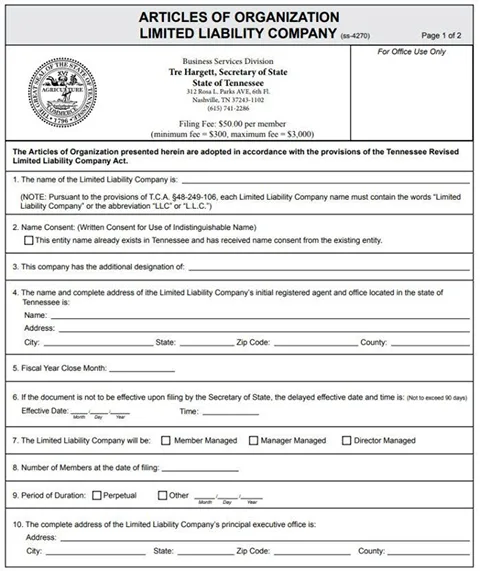
For example, an LLC will have a document called articles of organization, which establishes your LLC at the state level and shows your business is a distinct entity.
Your LLC’s articles of organization prove that you have a legitimate LLC, outlining key details including your business’s purpose, company name and structure. And if you’re operating an LLC, plan on needing to supply a copy of this document when you apply for a business account.

Business bank accounts typically don’t have credit score requirements, unlike business loans.
Deposit accounts, like checking and savings, aren’t lines of credit, so banks and credit unions aren’t usually concerned with your credit history. However, a bank may check your credit history to verify your identity and make sure you are who you claim to be.
However, many banks screen ChexSystems or Early Warning Services for prior account closures, unpaid fees or fraud flags. If you have a poor banking history, that could get in the way of approval, depending on the issues.
EINs, SSNs and ITINs are all unique tax identification numbers. EINs are just for businesses, while SSNs and ITINs are for individuals. For some business bank accounts, you may need both your EIN and SSN/ITIN for the application.
Some business accounts require an EIN. If you’re operating a sole proprietorship, you may not have an EIN, so you’ll need to find a business bank account that accepts an SSN in its place.
Alternatively, you can apply for an EIN with the IRS at no cost. Even if you don’t “need” an EIN for your business structure, having one can make it easier to apply for business loans, expand your options and issue and receive 1099s without using your personal SSN.
Narrow down top business checking accounts by fees, rates and more. For a closer comparison, tick the Compare box to see options side by side.
We currently don't have that product, but here are others to consider:
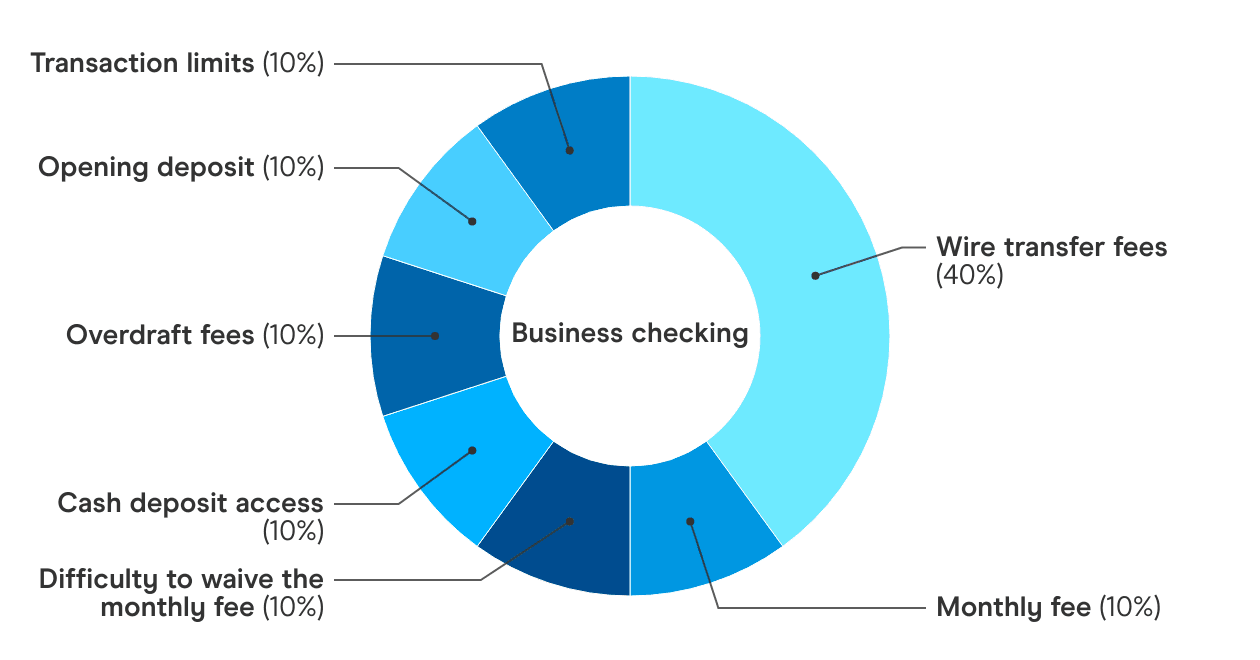
How we picked theseThe Finder Score analyzes and evenly weighs business accounts against multiple factors, including monthly maintenance fees, opening deposits, overdraft fees, wire transfer fees and transaction limitations. We also award accounts that offer extra perks not normally offered, such as annual percentage yield (APY), without penalizing accounts that aren’t interest-bearing.
We currently don't have that product, but here are others to consider:
How we picked theseThere are quite a few business documents you should prepare if you’re looking to open a business bank account. Depending on your business structure, you’ll need different documents, but they should be things you already have if you’re a legitimate business.
Need some more guidance? See our small business resources and guides.
Compare the top banks with QuickBooks integration for your business. Find accounts with no fees, APY on balances and smart tools.
Business bank accounts are not always required, but they can be a good idea anyway. Find out if opening one is right for your situation.
SoFi doesn’t currently offer a business account. Compare our top SoFi business account alternatives to find the best fit for your needs.
Top business checking offers we’ve found are from Bluevine, Chase, PNC, Truist, Huntington, AMEX and Bank of America. See requirements here.
Find the best business bank accounts for LLCs with low fees, software integrations and extra perks like ATM reimbursements.
Relay has a free business account, but the paid plan comes with more perks.
North One Bank offers a well-rounded business account North with no monthly fees and a ton of management tools, but no international wires.
Compare the best business checking accounts available: NBKC, Lili, Found, Novo, Bluevine, Relay, Axos and Mercury.
A business bank account that works for you could be a way for you to fund your business.