Sign-up Offer
- Earn a $900 welcome bonus
- Unlimited free transactions
- $0 Interac e-Transfers
- Monthly fee waived on $4,000+ balance


The best things in life are free, especially when we’re talking about money. And from saving strategies to government grants, cashback rewards to bonus offers, there are lots of simple steps you can take to earn a financial windfall. Keep reading to learn how to get “free” money in Canada.

What it is: Banks are always looking for ways to attract new customers, and what better way to do that than to offer free money! Many Canadian banks regularly offer cash welcome bonuses for new customers who open an account. So if you’re in the market for a better bank account, or if you just want a hefty cash bonus, it’s well worth shopping around for the best offers.
How much you can get: Offers commonly range from $100 to $800.
How to qualify: You’ll typically need to be a new customer and over the age of majority to open an account. Some offers also have extra terms and conditions, such as requiring you to deposit a minimum amount in your new account.
Sign-up Offer
Credit Union
Earn Interest

What it is: Some financial comparison platforms, including our own Finder Rewards program and others like moneyGenius, provide cash bonuses when you use their links to complete tasks. For example, you could earn a cash bonus or gift card by applying for a loan with a partner lender, signing up for a specific card or switching to a bank account. Provided the offer in question is a good fit for your financial situation, it’s a simple but effective way to boost your bank balance, especially since you can often stack these rewards on top of the provider’s existing sign-up bonuses. Discover Finder Rewards.
How much you can get: Between $25 to $250 per transaction.
How to qualify: Eligibility requirements vary depending on the offer, but you will typically need to be a new customer.

What it is: Apps like Testerup, LEO and Swagbucks fall into the get-paid-to category. While not strictly “free money” (since you have to complete small tasks like taking surveys, watching videos or testing games), these apps allow you to monetize your spare time. If you’re already scrolling on your phone while taking the bus or watching TV, you might as well be earning points toward gift cards or PayPal cash. Tip: Never pay to join one of these sites. If they ask for a “membership fee,” it’s a scam.
How much you can get: $20–$100 per month, depending on your activity.
How to qualify: Typically 18+ with a valid email.
Play Games & Take Surveys
Best for Mobile
Paid Surveys

What it is: If you’re in the market for a new credit card, look for a card that will make it worth your while. Many providers offer juicy sign-up bonuses to attract new customers. These often take the form of extra reward points or bonus cashback, typically for a limited introductory period. Other cards might waive the annual fee for the first year or charge a low introductory rate on balance transfers.
How much you can get: Varies depending on the offer. Check out our credit cards guide for details of current offers.
How to qualify: You will need good to excellent credit and must meet a minimum income requirement to qualify.
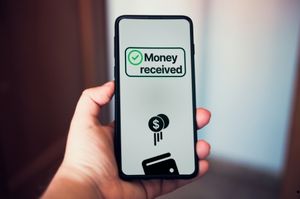
What it is: Apps like Nyble and Bree provide small interest-free cash advances. And yes, this isn’t exactly free money since you do have to pay it back, but you can get an advance without having to pay any fees or interest if you choose standard delivery. Outside of the Buy Now Pay Later deals and 0% interest car deals, Nyble and Bree are the only lenders we’ve seen that offer 0% APR, which is why these apps are well worth a look if you ever find yourself short of funds.
How much you can get: Up to $250 (Nyble) or $750 (Bree).
How to qualify: Apply online or via an app. You’ll need to be the age of majority, have an active bank account and meet a minimum income requirement. To avoid the fees, opt for three-day delivery.

What it is: When you shop through a cashback site like Great Canadian Rebates or Rakuten, you get rewarded for your everyday spending. Purchase at partner retailers through this platform, and you can earn cashback on every purchase. Once you reach the minimum cash-out limit, you can get your funds via e-Transfer or direct deposit, get cash via PayPal or cheque, or redeem your rewards for a range of gift cards. Learn more about cashback sites.
How much you can get: Cashback rates typically range anywhere from 1% to 10% cashback.
How to qualify: You’ll need to be a Canadian resident and of the age of majority. Sign up online or via a cashback app.

What it is: A high-interest savings account is perhaps the easiest way to get “free” money in Canada. This type of account pays interest on every dollar you deposit, and all you have to do is park your cash in the account. Just be aware that you may need to look beyond your Big Five bank, as the highest interest rates are typically offered by online-only banks and fintechs.
How much you can get: Check out our guide to the best high-interest savings accounts to find the best current rates.
How to qualify: If you’re the age of majority in your province or territory, apply online to open an account. There are also youth savings accounts if you’re under the age of 18 or 19.

What it is: Hands up if you want some free money from the taxman. Government of Canada cheques never expire, and you could have old cheques from the CRA that have never been cashed. To find them, log in to your online CRA account and select “Uncashed cheques.” As of January 2026, the CRA has 10,541,810 uncashed cheques, valued at $1,879,622,000.
How much you can get: Varies.
How to qualify: Any Canadian who has ever received a cheque from the CRA is eligible.

What it is: There’s nothing better than finding money you forgot you ever had. If you have a bank account that you don’t use for 10 years, your financial institution will consider it to be unclaimed. And that’s where the Bank of Canada’s Unclaimed Property Office comes in. It holds unclaimed balances of less than $1,000 for 30 years, and unclaimed balances of $1,000 or more for 100 years. Even better, it’s easy to search for your forgotten bank balances online.
How much you can get: Varies.
How to qualify: Visit the Bank of Canada’s Unclaimed Property Office website and enter your name, city, province and account number to search for unclaimed balances.
Need to Boost Your Income?
Explore 40+ ways to make money online

What it is: If your next car is going to be an EV, the Electric Vehicle Affordability Program (EVAP) can take some of the sting out of your new car’s sticker price. EVAP has replaced the old iZEV Program and offers financial incentives to help you get behind the wheel of an EV.
How much you can get: Up to $5,000 for battery-electric and fuel cell electric vehicles. Up to $2,500 for plug-in hybrid vehicles.
How to qualify: Incentives are available for EVs bought or leased on or after February 16, 2026, with a transaction value of $50,000 or less. Applications open on March 31, 2026. Check out Transport Canada’s EVAP Vehicle List for more information.

What it is: The Canadian Dental Care Plan provides co-payments to cover a portion of the cost for a wide range of dental care services. Covered services include dental exams, X-rays, teeth cleaning, fillings, root canal treatments, crown repairs, dentures and tooth removal.
How much you can get: It depends on your income. If you have an adjusted family net income of less than $70,000, 100% of eligible dental care expenses will be covered.
How to qualify: You must be a Canadian resident, have an adjusted family net income of less than $90,000, and must not have access to private dental insurance or coverage through other plans. Apply online through your My Service Canada account.

What it is: If you take out private health insurance or have coverage provided by your employer, be sure to make the most of it. Many people are unaware of just how many different expenses their policy covers. From dental care to massages, gym memberships, mental health services and more, you might be surprised by just how many benefits you’re entitled to. Check the fine print of your policy to find out.
How much you can get: Varies depending on your insurance policy.
How to qualify: Take out health insurance cover.

What it is: You deserve to spoil yourself on your birthday, and plenty of retailers, restaurants, bars, and plenty more across Canada are willing to help you do exactly that. Free meals, free desserts, free beauty products, free gifts, special discounts, you name it—there are lots of birthday freebies to help make your special day a little more lucrative. It’s not free money per se, but it’s a great way to save.
How much you can get: Offers vary depending on the retailer.
How to qualify: It depends on the offer. Some restaurants will offer you a free birthday treat if you simply show your ID or let your server know it’s your birthday. Other offers require you to join a loyalty program or join an app, and you may need to make a purchase in the lead-up to your birthday to qualify.
What it is: As the name suggests, a Tax-Free Savings Account (TFSA) is a special account that protects your investments (i.e. your savings) from taxes. You can use it to hold cash, stocks, GICs, bonds and more, and the money you make from these investments, such as interest or dividends, won’t get taxed. That means more money stays in your pocket rather than filling the CRA’s coffers.
How much you can get: Varies depending on your investments.
How to qualify: You can open a TFSA if you’re a Canadian resident 18 years or older and have a valid SIN.
What it is: An RRSP is an investment account that shelters your savings from being taxed right now. When you put money into an RRSP, the government treats that amount as if you never earned it, which effectively reduces your total taxable income for the year. Since your employer already took taxes out of your paycheques based on your full salary, the government realizes they overcharged you and sends you a refund cheque to pay you back. This isn’t exactly “free money” from the government; it’s a tax delay. You get that cash now to reinvest (though some people might spend it), and you only pay the taxes much later when you finally withdraw the money for retirement. Your income will be lower by then, so you’ll pay less in taxes.
How much you can get: Varies.
How to qualify: Must have a valid SIN, have earned income and filed a tax return.

What it is: If you need help saving for a down payment on a home, this plan can help. It allows you to make a tax-free withdrawal from your RRSP to buy or build a home, and you then have up to 15 years to repay the money you withdraw.
How much you can get: You can withdraw up to $60,000 tax-free.
How to qualify: You must be a Canadian resident and a first-time home buyer. You will also need a written agreement to buy or build a qualifying home, and intend to occupy it as your principal place of residence within one year.

What it is: This program allows you to put the money in your RRSP to use now to cover education and training costs for you or your partner. You can withdraw the funds tax-free, and you have up to 10 years to repay them.
How much you can get: You can withdraw up to $10,000 per year and $20,000 in total tax-free.
How to qualify: Must be a Canadian resident aged 71 or under. You must enroll full-time in a qualifying program at a designated educational institution.

What it is: Get free money from your employer with a group RRSP. Under this employer-sponsored retirement plan, RRSP contributions are automatically deducted from your pay, providing tax savings straight away. Many employers will match a portion of your contributions to help boost your savings, while you also get all the tax-sheltering benefits of an RRSP.
How much you can get: Tax savings vary. Your employer may match anywhere from 1% to 6% of your salary with contributions.
How to qualify: Varies depending on your employer.
What it is: Does your company offer extra benefits and perks to its employees? These can come in many forms, like employee stock purchase plans that let you buy company stock at a discount or the RRSP matching we mentioned above. Other companies offer benefits to help cover the cost of courses and other training that can help improve your résumé and future career prospects.
How much you can get: Varies.
How to qualify: Varies depending on your employer.

What it is: Buying your first home is a huge milestone, but it’s also a huge expense. A First Home Savings Account (FHSA) lets you save up to $8,000 every year ($40,000 total) for your first home without the government taking a cut. Any money you put in lowers your annual taxes, and the extra money you earn from interest grows completely tax-free. When you’re finally ready to buy your house, you can take all that cash out without paying a single penny in taxes.
How much you can get: Varies depending on the investments you hold.
How to qualify: You must be a Canadian resident aged 18 to 71 and a first-time home buyer.

What it is: Think of dividends as the stock market’s version of free money. Once you’ve bought into a company, they pay you just for sticking around. But it’s not completely free money since you have to buy a stock in the first place to receive dividends, and your dividend income is taxed. But they feel like free money, which is why we’ve included them here. Many blue chip stocks in Canada pay quarterly dividends, providing a handy source of passive income to shareholders. You can also choose to “reinvest” your dividends. This means instead of taking the cash, you use that money to automatically buy even more shares of the company’s stock.
How much you can get: Varies depending on the company, the size of the dividend and how many stocks you own.
How to qualify: Open an account with an online trading platform and invest in a stock that pays dividends.
What it is: No one likes paying any more tax than they have to, so make sure you’re getting a fair deal by claiming every tax deduction you’re entitled to. With the help of an experienced accountant, potentially one with expert knowledge about your industry, you could end up paying substantially less tax.
How much you can get: Varies.
How to qualify: File your annual income tax return.

What it is: This is free money from the government of Canada. If you’re feeling the pinch of the rising cost of living, you could be eligible to receive a one-time top-up equal to 50% of your annual GST credit. Starting July 2026, the benefit value will also increase by 25% for the next five years.
How much you can get: A family of four will receive up to $1,890 this year, and about $1,400 each year for the next four years. A single person will receive up to $950 this year, and about $700 each year for the next four years.
How to qualify: File your taxes. Eligibility is based on your tax return, with the benefit designed for low- and modest-income Canadians.
What it is: This is free money from the government of Canada to help families cover the cost of raising children. Eligible families qualify for a tax-free monthly benefit payment.
How much you can get: Up to $7,997 per year ($666.41/month) for children under 6 and up to $6,748 per year ($562.33/month) for children aged 6 to 17. The benefit amount varies depending on your income.
How to qualify: Must be a Canadian resident who lives with and cares for a child under 18 years of age. Income requirements also apply.

What it is: The ACFB is a tax-free quarterly payment for low- and middle-income families with kids under 18. It is paid in addition to the federal CCB.
How much you can get: Varies depending on your income level and the number of children you have.
How to qualify: Must be an Alberta resident with one or more children under 18. Must also meet income requirements.

What it is: The CDB provides financial assistance for working-age Canadians with a disability. Payments are sent to eligible recipients on the third Thursday of each month.
How much you can get: Up to $200/month ($2,400/year).
How to qualify: You must be between the ages of 18 and 64 and have been approved for the disability tax credit.

What it is: If you’re struggling to pay the rent, the Canada Housing Benefit is a joint initiative between federal and provincial governments that can help. It provides a monthly payment to help low-income households subsidize their rent.
How much you can get: The benefit is designed to help cover the difference between 30% of your income and the average rent in your area.
How to qualify: Application process and program details may vary depending on your province. Find details of how the benefit works where you live. For example, research the Canada-Ontario Housing Benefit in Ontario, the Canada-BC Housing Benefit in BC, and the Rent Supplement Program under the Canada-Alberta Housing Benefit in Alberta.

What it is: Upskilling? Undergoing training to help further your career? The CTC is a refundable tax credit to help you cover eligible training costs.
How much you can get: The lesser of your Canada training credit limit for the tax year or 50% of eligible tuition and other fees. Maximum of $5,000 in a lifetime.
How to qualify: The CTC is available to Canadian residents aged 26 – 65 who pay tuition or other fees to an eligible educational institution for training courses, or who paid tuition or fees to other authorities for an occupational, trade or professional examination.

What it is: The OTB is designed to help low-income to moderate-income Ontarians pay for energy costs, sales and property taxes. It combines the Ontario Sales Tax Credit, Energy and Property Tax Credit, and Northern Ontario Energy Credit, offering a tax-free payment to eligible residents.
How much you can get: Varies depending on your circumstances and eligibility.
How to qualify: File your income tax return and complete the ON-BEN Application Form in your return. The CRA will determine your eligibility based on the information you provide.

What it is: Thinking of going green? This program offers an upfront payment to cover the cost of switching your home over from oil heating to an energy-efficient heat pump.
How much you can get: Up to $10,000. An additional $5,000 of funding plus a $250 bonus payment is available in some participating provinces and territories.
How to qualify: Must be a homeowner, heat your home with oil and have income at or below the median household after-tax income. Please note that the criteria may vary between provinces and territories.

What it is: Buying your first home? This non-refundable tax credit can help make it a little easier by reducing the amount of federal income tax you have to pay.
How much you can get: Up to $10,000.
How to qualify: Acquire a qualifying first home in Canada and intend to occupy it as your principal place of residence no later than one year after acquiring it.

What it is: Parlez-vous français? If you’re an English-speaking student who wants to learn French, or vice versa, the Explore program provides funding to help you do exactly that. This language immersion program runs spring and summer sessions, with funding provided to cover tuition costs, instructional materials, meals and lodging expenses.
How much you can get: $3,850 if you’re aged 16+, or $2,760 if you’re aged 13 to 15.
How to qualify: Must be a Canadian citizen or permanent resident, meet the minimum age requirement for the relevant session, and have been a student for at least one term during the current school year.

What it is: A monthly tax-free payment for Canadians aged 65+. The GIS is provided to Old Age Security (OAS) pensioners with low income.
How much you can get: Up to $1,108.74 per month.
How to qualify: Service Canada can automatically enroll you for the GIS if you’re eligible. You will be notified by mail.

What it is: Some provincial governments offer additional financial assistance to Canadian seniors. For example, the Ontario Senior Homeowners’ Property Tax Grant (OSHPTG) is a refundable tax credit for low- to moderate-income seniors to help make property taxes more affordable. In BC, the British Columbia Seniors Home Owner Grant provides free money for seniors to reduce property taxes.
How much you can get: Up to $500 per year in Ontario, or an extra $275 on top of the base grant in BC.
How to qualify: Must be a senior, a resident of the relevant province and own your own home.
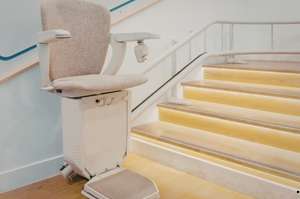
What it is: The HATC is a non-refundable tax credit for Canadians aged 65 or older or with disabilities. It offers free money to help you renovate your home to make it safer, more accessible and reduce the risk of injury. For example, it could help cover the cost of ramps for easy access or grab bars in bathroom areas.
How much you can get: Up to $3,000 (15% of up to $20,000 in renovation expenses).
How to qualify: Must be 65+ at the end of the year or eligible for the disability tax credit. The renovation must improve accessibility or mobility, or reduce the risk of injury in the home. The renovation must be done to your principal residence.

What it is: The CWB is a refundable tax credit for low-income earners.
How much you can get: The maximum benefit amount is $1,633 for single individuals and $2,813 for families, while a disability supplement is also available.
How to qualify: Apply if you’re 19 or older, a Canadian resident who earns working income, and your net income is below the level specified for your province or territory.

What it is: The Canada Student Grant offers free money for students in Canada who have financial need. It’s offered as part of the Canada Student Financial Assistance Program, which sees the federal government work with provinces and territories to provide financial support. Additional provincial and territorial grants offer further free money for eligible students.
How much you can get: Up to $4,200 per year with the Canada Student Grant. Other financial assistance amounts vary depending on where you live.
How to qualify: Apply for student aid in your province or territory. Eligibility and the amount you receive depend on factors such as your income, your tuition costs and other fees, and if you have dependents.

What it is: Post-secondary education isn’t cheap, but Employment and Social Development Canada provides financial assistance to help make it more affordable to pay for the cost of your children’s education. When you open a Registered Education Savings Plan (RESP) and make contributions, the CESG matches 20% of your annual personal contributions up to a fixed limit.
How much you can get: Up to $7,200 maximum per eligible child in an RESP.
How to qualify: The child must be a Canadian resident with a valid SIN, 17 or younger, and named as a beneficiary in an RESP.

What it is: If you’re searching for free money for students in Canada, the Canada Learning Bond could be the answer. This federal government grant provides a financial boost to help low-income families save for their child’s post-secondary education. The grant money is deposited directly into the child’s RESP.
How much you can get: Up to $2,000.
How to qualify: The child must be born on or after January 1, 2004, a resident of Canada, have a valid SIN, be named as a beneficiary in an RESP, and meet family income requirements.

What it is: Some provincial governments also offer financial assistance to help cover the cost of a child’s education. The British Columbia Training, Education & Savings Grant (BCTESG) provides a one-off grant into a child’s RESP, while the Québec education savings incentive (QESI) pays a refundable tax credit into an RESP. It’s worth checking if any extra assistance is available where you live.
How much you can get: $1,200 with the BCTESG, up to $3,600 with the QESI.
How to qualify: Check the eligibility requirements in your province or territory.
You can get a $100 for free online by signing up for a new financial product, such as a bank account or credit card. Sites like Finder offer $25 to $250 in rewards when you apply using their promotional link. You can stack these rewards with the banks’ own welcome bonuses. Learn more about cash bonuses.
It’ll be difficult to get $2,000 in free money, but you can reach this amount by combining simple money-making tasks, such as selling items you no longer need, taking surveys, and earning rewards and cashback.
If you’re searching for free money in Canada, you might come across pages or ads that sound enticing, like “Free spins, no deposit, win real money” or “120 free spins for real money in Canada.”
Be very careful with any online casino free money offers you come across. Some are outright scams that take your money or won’t let you access any money you win. Others require you to make a deposit to get your “free” money, or they won’t let you cash out until you’ve gambled your freebie a certain number of times.
And that’s before we even get into the risks of online gambling and addiction. Even if the casino is an entirely legit operation, these offers are designed to lure you in with a sweet deal and then never let you go. The financial consequences can be huge, so it’s best to steer clear.
Be also wary of scams like getting paid to watch Netflix, lottery wins and fake government grants.
Getting “free” money often requires a little effort or a change in habits, but the rewards are well worth the time. From switching bank accounts to claiming tax credits, these strategies help you reclaim your hard-earned cash and outsmart the rising cost of living. Start with the easiest wins today and watch those small windfalls provide a welcome boost to your bottom line.

Get a $40 bonus through Finder when you sign up for Freecash.
Find out how to sign up for Testerup and get a welcome bonus in a few easy steps.
Find out how to score bonus points and boost your chances of winning even more rewards with popular survey site LEO.
Find out how to receive a bonus from paid survey site Toluna.
Here’s how to earn a bonus when you join popular get-paid-to-play app, Mistplay.
Find out how to receive a bonus from popular rewards platform Eureka Surveys.
Find out how to receive a bonus from paid survey site Tellwut.
Find out how to get a signup bonus from paid survey platform YouGov in just a few simple steps.
Find out how to receive a bonus from get-paid-to platform Freecash.
We tested 13 websites and apps to find the best survey sites to make money in Canada.