The minimum credit score for credit card approval in Canada depends on the card you want. Generally, you need a good score (660+) to apply for most cards with rewards and benefits, but there are options for bad and fair credit applicants. Find out what credit score is needed for a credit card in Canada, and review cards for bad, fair, good and excellent scores.
Minimum credit score for popular Canadian credit cards
What credit score is needed for a credit card in Canada?
There is no minimum credit score for credit card approval in Canada—you can apply with any score. But you won’t get approved for most cards unless your score is at least 660 (good). Many credit cards come with rewards points, cash back and free insurance. Credit cards for bad and fair credit are easier to get but may come with lower limits and less benefits.
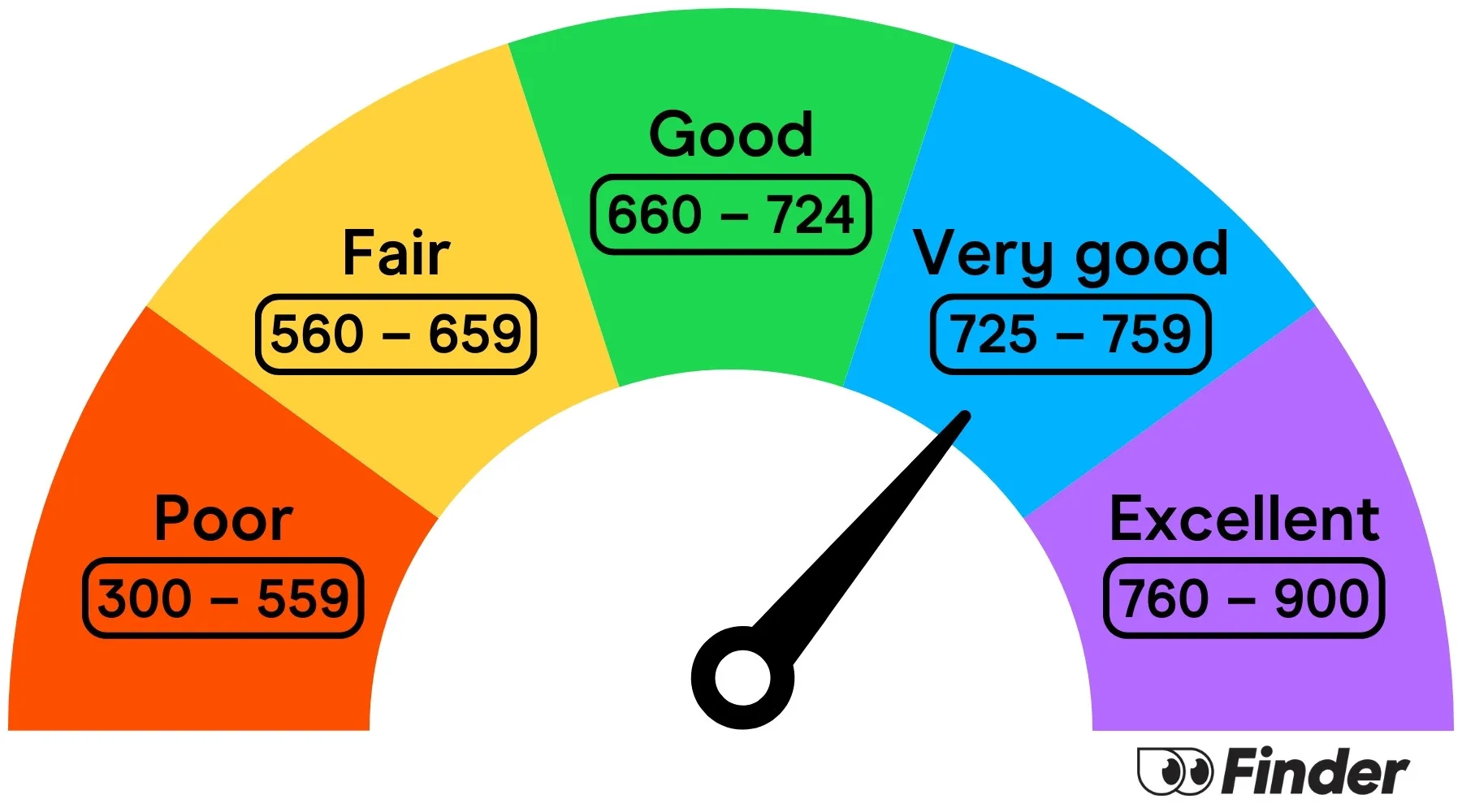
Poor (300-559). Your credit needs work, but you might qualify for credit builder programs.
Fair (560-659). You can qualify for basic credit cards with little/no perks. Improve your score to qualify for cards with more benefits and higher limits.
Good (660-724). You can apply for most credit cards but may not get the lowest rates.
Very good (725-759). You can apply for most cards.
Excellent (760-900). You should have few problems getting a credit card, loan or mortgage. You can qualify for luxury cards with valuable benefits.
What credit card can I get with my credit score?
No matter what your credit score is, there’s a credit card in Canada for you. Check out these options:
Credit card options for poor credit
Raising your credit score will help you qualify for more cards. In the meantime, here are your credit card options for bad credit:
Prepaid credit cards. Provide a deposit, which becomes your spending limit. Prepaid cards are good for controlling your spending, and just about anyone can qualify. Unlike secured credit cards, prepaid card activity isn’t reported to credit bureaus and won’t impact your credit score.
Secured credit cards. This type of card also requires a deposit that becomes your credit limit. Secured credit card activity is reported to credit bureaus and can impact your credit score. Your deposit is returned when you close the account unless there’s an outstanding balance.
Alternative: Borrow up to $500 from a cash advance app
Get funds within minutes, with apps offering 0% interest and either no or low subscription or membership fees. Cash advance apps accept all credit scores and offer instant approval and e-Transfer funding.
Credit scores in Canada range from 300-900 points. A “good” credit score is considered to be 660+. Scores ranging from 725 to 759 are considered “very good,” while “excellent” scores are 760 and above. If you have a good credit score, you can qualify for most credit cards.
What is the average credit score in Canada?
In Canada, the average credit score is around 650-750. Most borrowers in Canada have a good credit score between 660-724. A 2024 FICO report reveals that Canadians have an average credit score of 760, which is lower than the average score in 2023 (762), 2022 (762) and 2021 (761).
How can I check my credit score?
Every year, you can get a free copy of your credit report, which shows your credit score and details of your borrowing history, from Canada’s two main credit bureaus: Equifax and TransUnion. You can apply online or via the mail, and there’s no fee unless you order subsequent copies.
Choose a credit bureau. Apply on the bureau’s website.
Fill out a request. Provide personal information like your name, address and previous addresses from the last 3-5 years.
Provide proof of ID. Submit a copy of two pieces of government-issued ID like a driver’s license or passport.
Choose a delivery method. View your credit report online or receive a hard copy in the mail.
You can also get an approximation of your score through third-party platforms like Borrowell, Credit Karma, Credit Verify or the Marble Financing Score-Up program. Some banks and financial institutions let customers view their credit scores.
How to improve your credit score
Use credit often. It might seem counterintuitive, but the more you use your card, the faster your credit score will rise if you keep up with payments.
Make payments on time. Your payment history accounts for roughly 35% of your credit score, so it’s important to be consistent.
Pay off your balance monthly. Pay off your balance fully every month to improve your score and avoid interest charges.
Use different types of credit. Using different types of credit products like credit cards, mortgages, loans and leases provides multiple opportunities to boost your score. But don’t take on more debt than you can handle.
Avoid applying for too much credit. Make sure you only apply for credit you absolutely need, since every credit check on your account will drag down your score.
Keep your balance low. Your credit utilization ratio affects your credit score. Ideally, you shouldn’t use more than 30% of your available credit.
Don’t cancel old credit cards. Instead of cancelling a card you no longer use, freeze your account but keep it open. Having unused (or underused) credit makes you look financially responsible to creditors.
Correct errors in your credit report. Promptly contact the credit bureau if you notice an error to ensure an accurate score.
Other factors that affect your credit card application
Credit card issuers weigh a range of other factors before approving or denying your request for credit, including:
Credit history Make debt repayments on time and in full, avoid carrying a balance indefinitely and use varying forms of credit responsibly.
Utilization This is the proportion of your available balance that you’re currently using on your credit card. good rule of thumb is to avoid using more than 30% of your spending limit.
Employment status Credit card issuers typically prefer full-time employed applicants, but you can still get some cards if you work part-time, are self-employed or have non-employment income like a pension.
Income vs expenses When you apply for a credit card, you must provide information about your income and credit history to help card issuers determine if you can handle more credit.
Compare minimum credit scores for credit cards in Canada
Take a look at minimum credit scores needed for credit cards available through Finder.
7 of 7 results
Canadian borrowers prefer credit cards over other loan types
Among Canadians who said they planned to take out loan products in the first quarter of 2025, 12% planned to borrow from a credit card. This was the most popular loan category, according to the Finder: Consumer Sentiment Survey January 2025, followed by lines of credit (11%), car loans (6%) and cash advance apps (5%). Payday loans (4%), debt consolidation loans (3%) and business loans (3%) were the least popular.
FAQs: Credit score needed for credit card approval in Canada
In Canada, a good credit score ranges from 660-724. Credit scores above this are very good or excellent, while scores below this are fair or poor. If you have a good score, you can apply for most credit cards and loan products (approval depends on various factors).
You can apply for a line of credit with a decent chance of approval if your credit score is very good (725-759) or higher.
The minimum credit score you need to apply for most AMEX credit cards in Canada is around 700. However, a variety of factors are considered on your application, including your income, current debt load and debt repayment history.
Your credit score is just one of many factors credit card companies use to assess your eligibility for a card. So, your application could be denied if you don't meet criteria, like:
The most important way to rebuild your credit is to make all of your payments on time. Even one missed payment can damage your credit score. Consider credit builder credit cards as an option.
Getting a credit card is tough—but not impossible—when you're a newcomer to Canada or too young to have credit in your name. Getting a secured credit card is one way to build up credit history and qualify for a card with perks and competitive rates. If you have other forms of debt, make payments on time to boost your score.
Claire Horwood was a writer at Finder, specializing in credit cards, loans and other financial products. She has a Bachelor of Arts in Gender Studies from the University of Victoria, and an Associate’s Degree in Science from Camosun College. Much of Claire’s coursework has focused on writing and statistics, with a healthy dose of social and cultural analysis mixed in for good measure. In her spare time, Claire enjoys rock climbing, travelling and drinking inordinate amounts of coffee.
See full bio
Claire's expertise
Claire
has written
329
Finder guides across topics including:
Stacie Hurst is an editor at Finder, specializing in loans, banking, investing and money transfers. She has a Bachelor of Arts in Psychology and Writing, and she has completed FP Canada Institute's Financial Management Course. Before working in the publishing industry, Stacie completed one year of law school in the United States. When not working, she can usually be found watching K-dramas or playing games with her friends and family.
See full bio
Stacie's expertise
Stacie
has written
235
Finder guides across topics including:
Going abroad and wondering whether you can use your credit card while travelling? Here’s the lowdown on credit cards vs. cash, fees, and which cards to get.
Compare credit cards for temporary residents and learn how to apply for one in Canada.
Advertiser disclosure
Finder.com is an independent comparison platform and information service that aims to provide you with the tools you need to make better decisions. While we are independent, the offers that appear on this site are from companies from which Finder receives compensation. We may receive compensation from our partners for placement of their products or services. We may also receive compensation if you click on certain links posted on our site. While compensation arrangements may affect the order, position or placement of product information, it doesn't influence our assessment of those products. Please don't interpret the order in which products appear on our Site as any endorsement or recommendation from us. Finder compares a wide range of products, providers and services but we don't provide information on all available products, providers or services. Please appreciate that there may be other options available to you than the products, providers or services covered by our service.
We update our data regularly, but information can change between updates. Confirm details with the provider you're interested in before making a decision.